East Foundation Ranches receives National BQA cow-calf award.
Story by Shelby Kirton
Photos courtesy of East Foundation
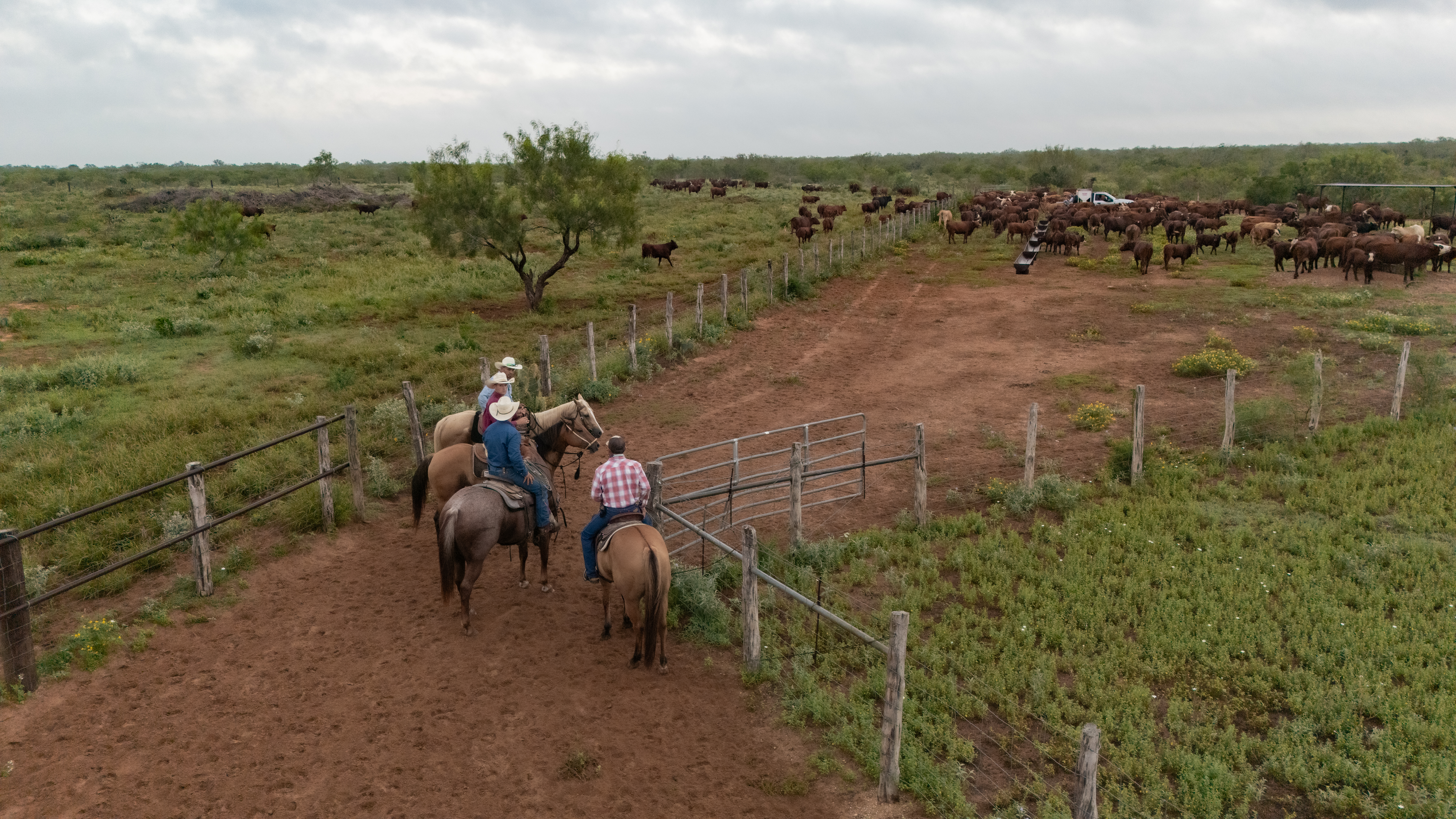
Photo courtesy of BQA
In deep South Texas, East Foundation Ranches stands as an ultimate testament to the enduring legacy and history of ranching, while simultaneously adapting to modern-day practices. Their story is one of reinvention, progress and an unwavering commitment to continuous improvement.
To honor these efforts, Texas & Southwestern Cattle Raisers Association nominated East Foundation Ranches for a National Beef Quality Assurance award in the cow-calf division, which they were presented with Feb. 3 during CattleCon 2026 in Nashville, Tennessee.
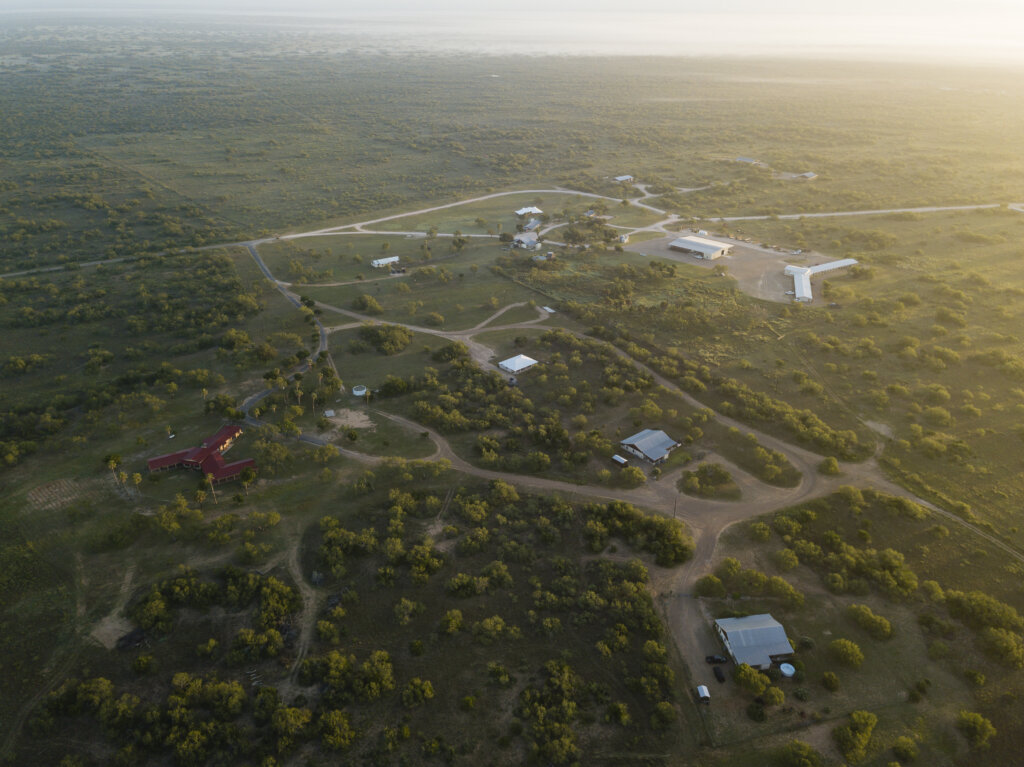
Spanning more than 217,000 acres across the Wild Horse Desert, also known as the South Texas Sand Sheet or the Coastal Sand Plains, the region is known for sandy soils, extreme heat and humidity, and high drought risk. East Foundation Ranches operates in six locations throughout portions of Jim Hogg, Kenedy, Starr and Willacy counties.
“East Foundation sees this land for what it truly is beyond the challenging desert and isolated region — a thriving ecosystem that sustains incredible wildlife and plant diversity, provides for livestock production and creates livelihoods,” said Jason Sawyer, Ph.D., East Foundation’s chief science officer.
“We’re honored to raise a healthy, nutritious beef product that sustains our South Texas rural community and beyond. BQA is just the bare minimum of what East Foundation Ranches expects.”
The foundation stays true to its mission of advancing land stewardship through three primary arms: ranching, science and education. At its core, the ranch is a working laboratory where scientists and ranch managers collaborate to address key issues in wildlife management, rangeland health and ranch productivity.
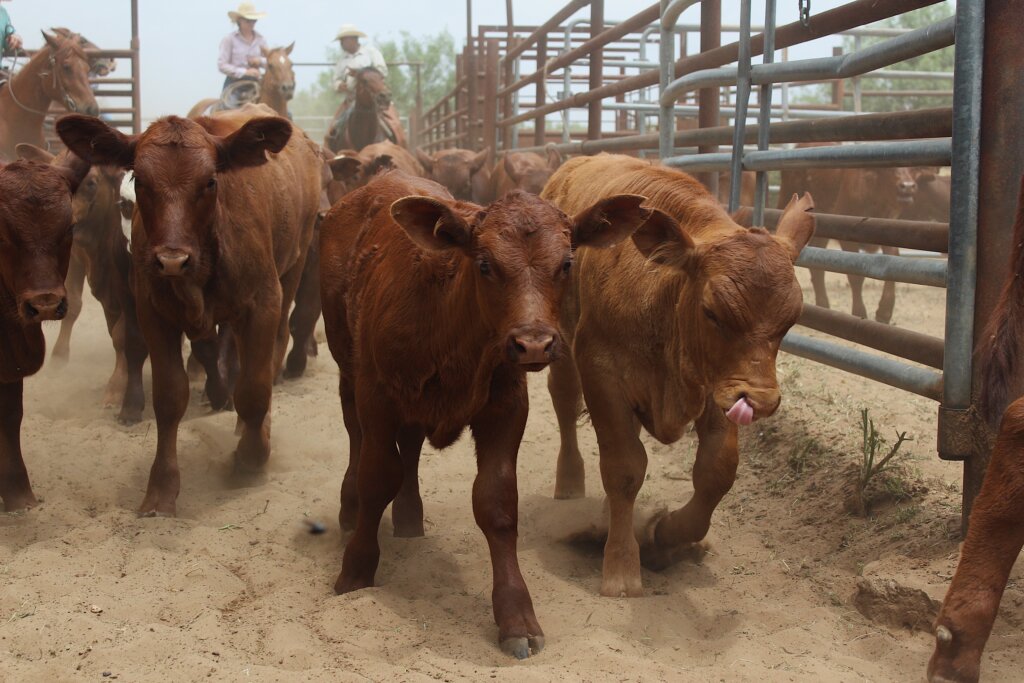
Primarily a cow-calf enterprise, East Foundation Ranches raises about 3,000 calves annually. Today, their feeder steers and heifers are highly sought after and bring a premium — but that was not always the case.
Changing gears
About a decade ago, East Foundation Ranches recognized the need to overhaul ranching practices and cattle care standards to fully align with BQA principles.
“The BQA program provided us with the roadmap,” said Eddie Reyna, East Foundation ranch operations manager. “Because it is designed to allow producers to start from where they are and grow, it was a great way for us to move rapidly toward a comprehensive inventory management, identification and recordkeeping program.”
Today, all East Foundation cattle are branded and assigned EID tags. The ranch incorporates a two-breed rotational crossbreeding system of Red Angus and Santa Gertrudis.
The cow herd continues to become more uniform in type, with mild variability in Bos indicus percentage. With the native heat and humidity, the ranch continues to experiment with the percentage of Bos indicus needed to be environmentally sustainable, while also producing a highly marketable calf crop.
The ranch manages both spring and fall calving herds under a 90-day breeding and subsequent calving window. Spring calving herds see bull turnout from April 15 to July 15, while fall calving herds run from Nov. 1 to Feb. 1. Spring calves, around 2,000 in total, wean in October, while fall calves, around 1,000 head, wean in June.
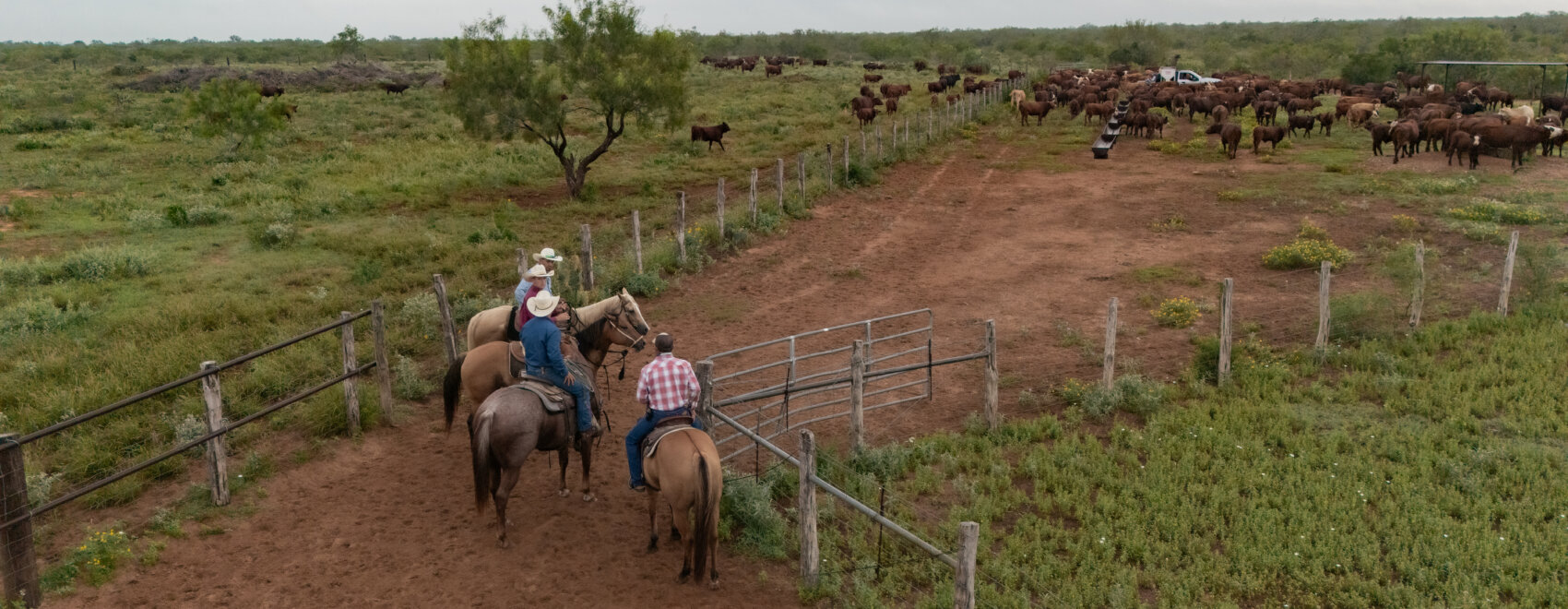
When it comes to handling cattle, the herd is gathered twice yearly for penned workings.
“Over time, we have trained the cattle to come to a pickup siren,” Reyna said. “This allows them to migrate to the pens naturally rather than having to push against their natural pattern. Because the cattle are used to daily interaction, their flight zone is not triggered when we begin to gather.”
The ranch team continuously evaluates pen design and layout and adjusts as needed.
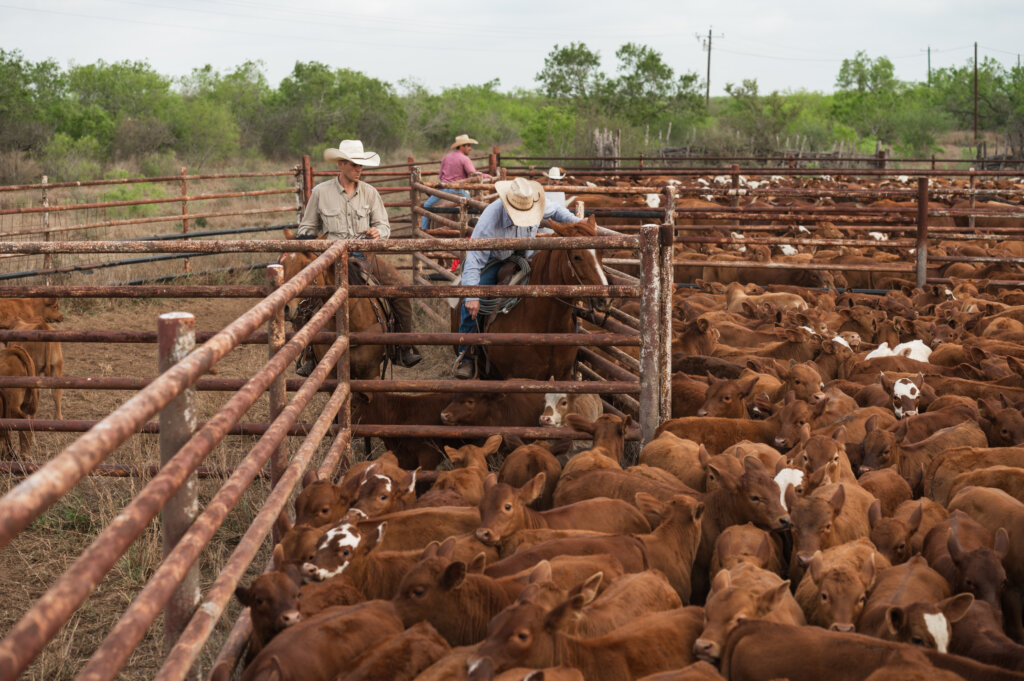
Once cattle are gathered into pens, no employee is on foot; instead, they remain on horseback to ease cattle calmly through pens, which are designed with a series of cut gates that can be easily turned into a bud box. Prods, hotshots and similar tools are used sparingly and only when necessary for the animal’s overall wellbeing, strictly following BQA program recommendations.
“The pens throughout the ranch were built in the 1970s and ’80s; at that time, cattle were handled and gathered differently,” Reyna said. “For us, it’s our highest priority to view the cattle’s natural behavior and adjust to their needs.”
While working cattle, employees keep noise to a minimum. Cattle bellows and hydraulic chutes should be the primary noises of the day — and little else.
Since 2019, East Foundation Ranches has hosted regular on-ranch BQA trainings, including a session each summer for all employees. The annual trainings are designed to fit the current needs of the operation and include chute-side vaccine administration, livestock handling, facility design and worker safety. Trainings are conducted in both English and Spanish to ensure all personnel understand the material.
“Giving our foremen responsibility as stewards of the cattle under their care is really important,” Reyna said. “We know that doing the right thing with the cattle every day helps the cattle do the right thing when we need them to — at branding, pasture rotations or weaning.”
On guard
The southern border of the East Foundation’s El Sauz Ranch sits at one of the greatest lynchpins for biosecurity protection in South Texas — and the U.S.
El Sauz Ranch is adjacent to a cattle fever tick quarantine zone and participates in extensive surveillance to monitor any sign of the cattle fever tick. While the ticks themselves pose no risk, they can carry a microscopic parasite called Babesia bovis, commonly known as cattle fever. Cattle fever attacks and destroys an animal’s red blood cells causing anemia, fever and an enlarged spleen and liver, ultimately resulting in death for an estimated 40% to 90% of susceptible cattle.
The tick attaches not only to cattle and horses, but also to white-tailed deer and nilgai antelope. Recent research shows that deer and antelope are dead-end hosts, which carry the ticks but are not susceptible to disease effects. To safeguard against the tick spreading farther north, the El Sauz Ranch and others voluntarily built a double-fenced wildlife barrier spanning miles along Highway 186, the current fever tick quarantine end zone.
“Highway 186 is the last paved road for a considerable distance on the north side of the fever tick quarantine zone,” Sawyer said. “If fever ticks gain a foothold north of the line, it would be next to impossible for the Texas Animal Health Commission to establish a barrier, and the tick could spread quickly throughout Texas and beyond.
“Our El Sauz Ranch location participates in extensive surveillance of wildlife to follow their movements and ensure they don’t break the double-fenced barrier and head north.”
The ranch regularly scratches and dips or sprays cattle, and culled cows do not return to any other ranch but are instead sent directly to processing. The only cattle that leave the El Sauz Ranch are weaned calves, which follow all protocols and are scratched for tick presence and treatment effectiveness before being unloaded for backgrounding at the headquarters ranch.
“Our involvement with the cattle fever tick eradication program has caused us to pay close attention to both cull cow management and biosecurity principles, which are part of our BQA program,” Sawyer said.
The potential northern spread of the New World screwworm is a constant concern, as well.
“With the renewed threat from northward movement of the New World screwworm fly, we have relied on the lessons we have learned and used BQA principles to inform our response plans,” Reyna said. “Although we don’t have screwworms in Texas today, we are already increasing our observations of cattle and re-evaluating our existing parasite control protocols to help us manage the risk of exposure. Fortunately, our approach to cattle handling will help us as we manage this new challenge.”
Proactive management
In recent years, herd health protocols implemented by East Foundation Ranches have created a cow base with nearly impeccable health, requiring minimal use of antibiotics or emergency medicine intervention. They develop all herd health plans by consulting with their local veterinarian, noting that a strong veterinary-client relationship is instrumental for success.
Once a year, cows receive respiratory, reproductive and clostridial disease vaccinations in addition to an injectable dewormer and palpation for pregnancy diagnosis. Spring-calving open females are given one chance to roll to the fall calving season for rebreeding. If they come up open after a second palpation, they are culled from the fall herd.
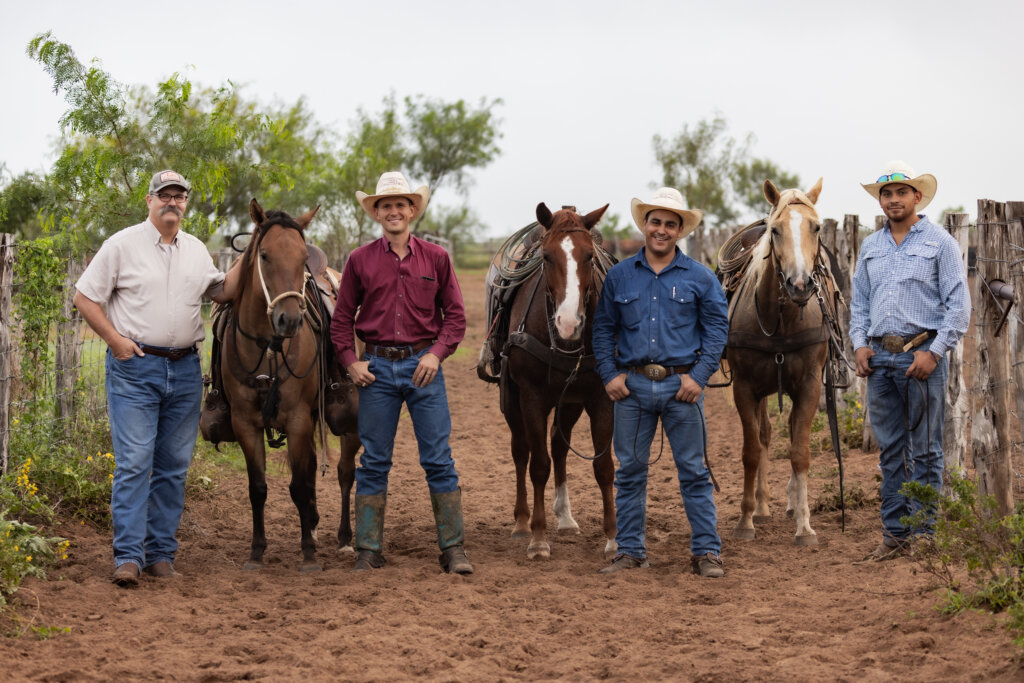
and the cattle within their care. Photo by Landen Addison
To reduce stress, calves receive their primary dose of clostridial and killed virus respiratory disease vaccines prior to weaning. In addition to an injectable dewormer, all calves are given a Lazy Diamond brand and bull calves are castrated by knife.
At weaning, calves receive an EID tag and a second round of vaccinations and injectable dewormer. Heifer calves receive an additional visual ear tag and vaccines for reproductive diseases and Brucellosis. After two weeks, all calves are brought back for a modified-live virus respiratory disease vaccine before being weighed and sorted into contemporary groups prior to the backgrounding phase.
“The multi-stage vaccination program works on our calf crop,” said Garrett Stribling, East Foundation ranch business manager. “Last year, we weaned more than 2,800 calves, and we only treated a total of six head for sickness following our standard protocol.”
Another important factor for herd health includes administration tactics. In the South Texas heat, it’s important to properly store vaccines chute-side. The ranch uses vaccination coolers with ice packs to store bottles and syringes between each calf or cow.
“We are diligent about changing our needles,” Reyna said. “We use a three-quarter-inch needle on every animal. Needles are replaced every 20 head. If an animal looks sick, or if a needle is dull or dropped in the dirt, it’s changed immediately.”
The crew also follows all BQA injection guidelines, including injecting no more than 10 milliliters in one site, always following intramuscular or subcutaneous injection locations, and placing all vaccines in the neck, ahead of the shoulder.
“We also instruct our crew to space out vaccinations,” Reyna said. “If they’ve given two shots on one side of the neck, they switch to the other side, so placement isn’t too combined.”
Because East Foundation Ranches spans 120 miles across South Texas, the team faces a wide variety of animal health requirements. There’s no blanket plan for every animal under the ranch’s care; instead, health strategies are tailored to location.
“Our coastal herds will receive a dewormer that protects against liver flukes, whereas more inland dry climate herds don’t have the same base needs,” Stribling said. “If ever an anthrax outbreak is nearby, we’ll vaccinate only as needed.”
When it comes to bull health, after moving to a set breeding season nearly 10 years ago, the ranch noticed an increase in calves lost during gestation. This realization expedited regular bull test protocols, including annual bull breeding soundness exams and twice yearly Trichomoniasis tests. As a result, the ranch has been trichomoniasis-free for seven years.
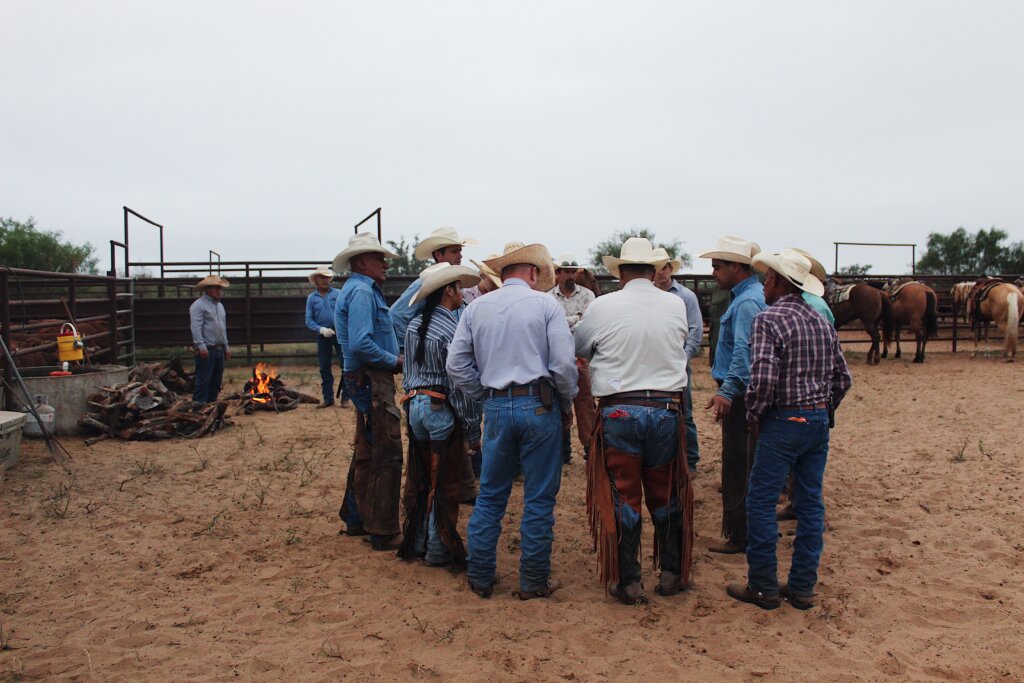
To ensure that all practices are carried out consistently by operation personnel, the ranch conducts pre-cattle working meetings to further explain the reasoning behind each process.
“We make it a standard practice right before starting our working days to have a sit-down training, giving an overview of what’s going to happen,” Reyna said. “We explain what we are going to administer to the cattle, how much of each vaccine should be given and why we’re giving it. This way everyone is on the same page, and everyone holds each other accountable.”
Ever forward
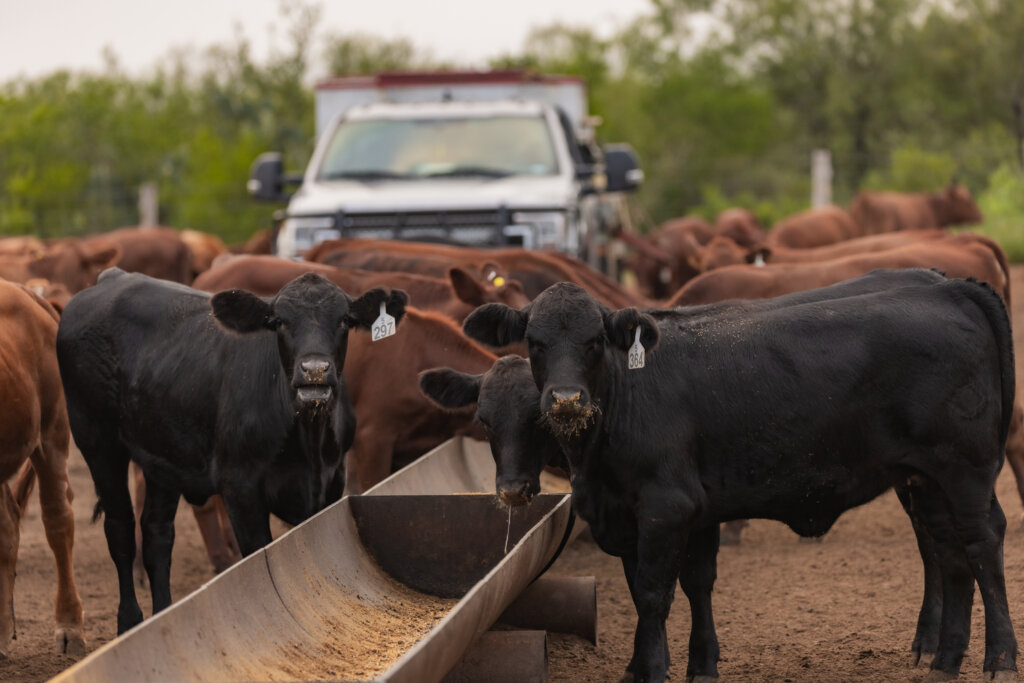
East Foundation Ranches tells a story that goes far beyond raising beef. It is a narrative of caring for cattle in a responsible way, including a larger commitment to people, the land and the environment that ultimately promotes consumer trust.
By integrating BQA practices with their broader stewardship mission, East Foundation Ranches provides assurance that every ounce of beef meets the highest standards of quality and integrity.
This holistic approach bridges the gap from ranch to dinner table, reinforcing trust in the product they produce, and embodying the philosophy that the right way is the only way.
“Inspiring consumer confidence is the primary goal of Beef Quality Assurance,” Sawyer said. “Our stewardship of the cattle we care for is part of our adoption of BQA principles, and it is an important part of conservation and the broader land stewardship story.”
—-
###