
The legacy and craft of American Hat Company.
Story by Shelby Kirton
Photos courtesy of American Hat Company
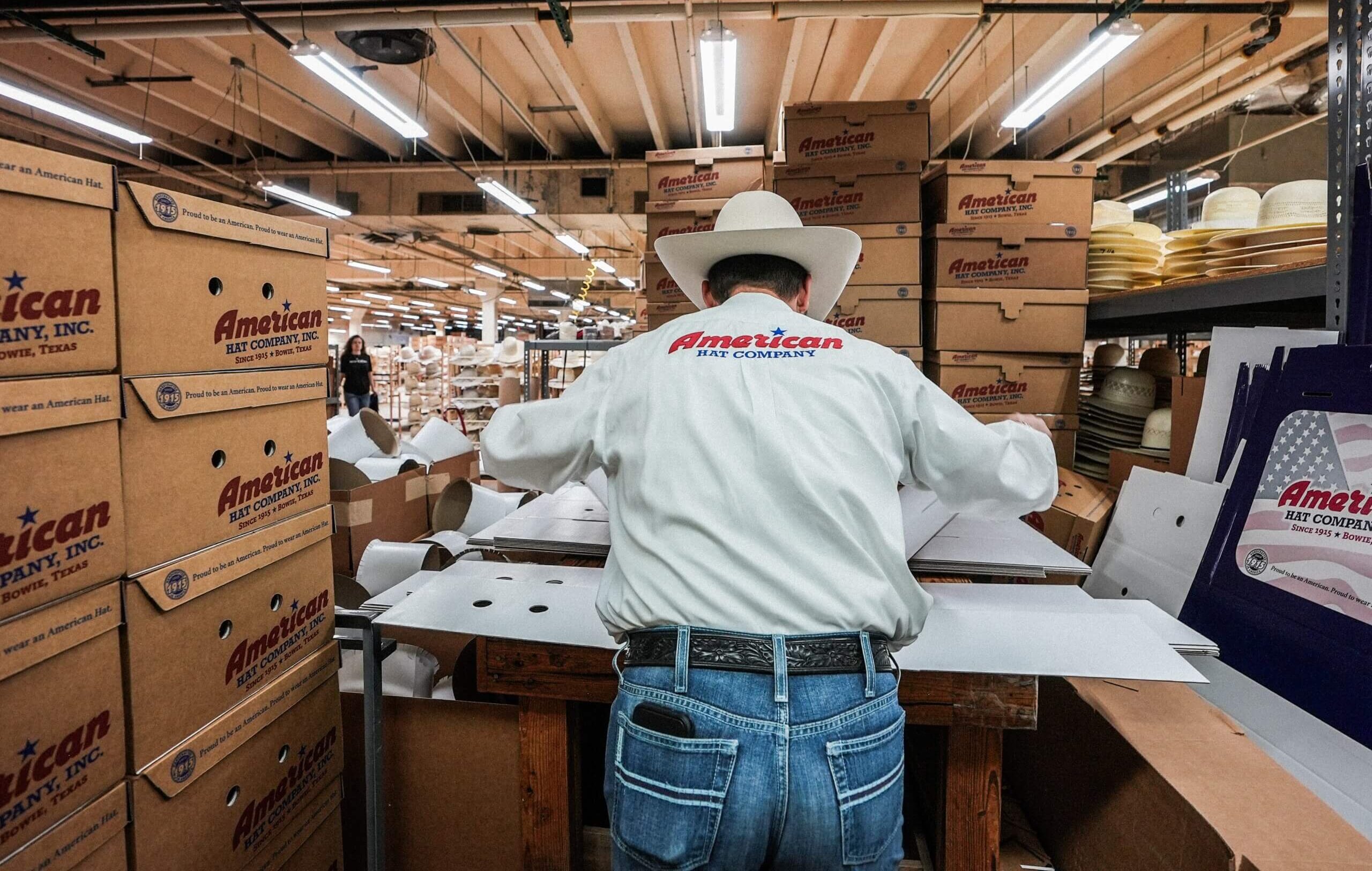
The air inside the American Hat Company factory in Bowie hums with quiet precision. Steam curls around polished steel blocks, while hat shapers work swiftly but carefully.
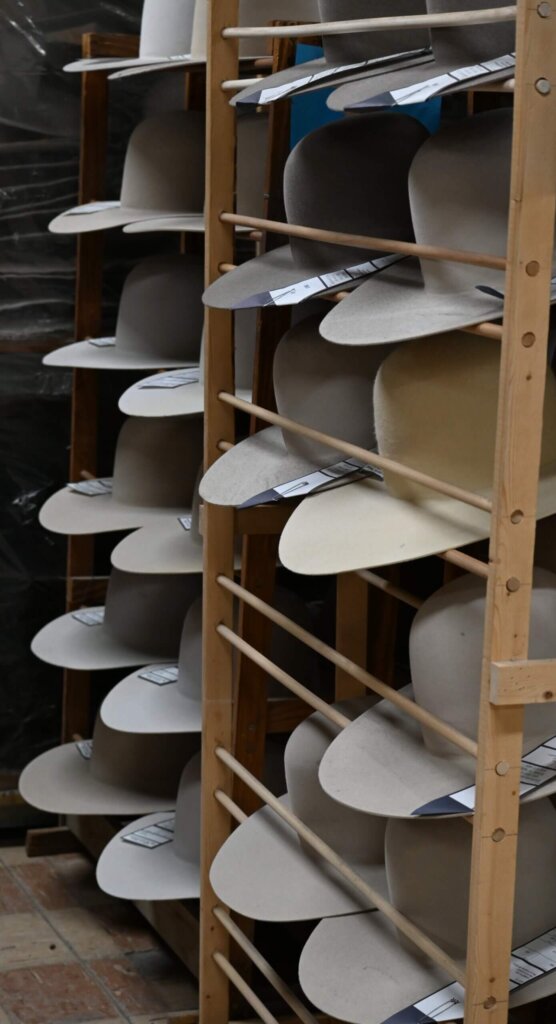
The scent of felt lingers as craftsmen press crowns into form, smooth brims to a perfect curve and hand-fit each band with practiced care. Every crease, press and stitch tells a story — all rooted in in the company’s leading philosophy, Positive Times.
American Hat Company was founded in 1915 by Sam Silver in Houston. His sons carried the craft forward, and in 1949, Sam’s grandson, Maurice “Bubba” Silver, introduced the company’s signature waterproof straw hats, still unique today. The Silver family ran the company until 1984, when it was sold to Bill and Billie George.
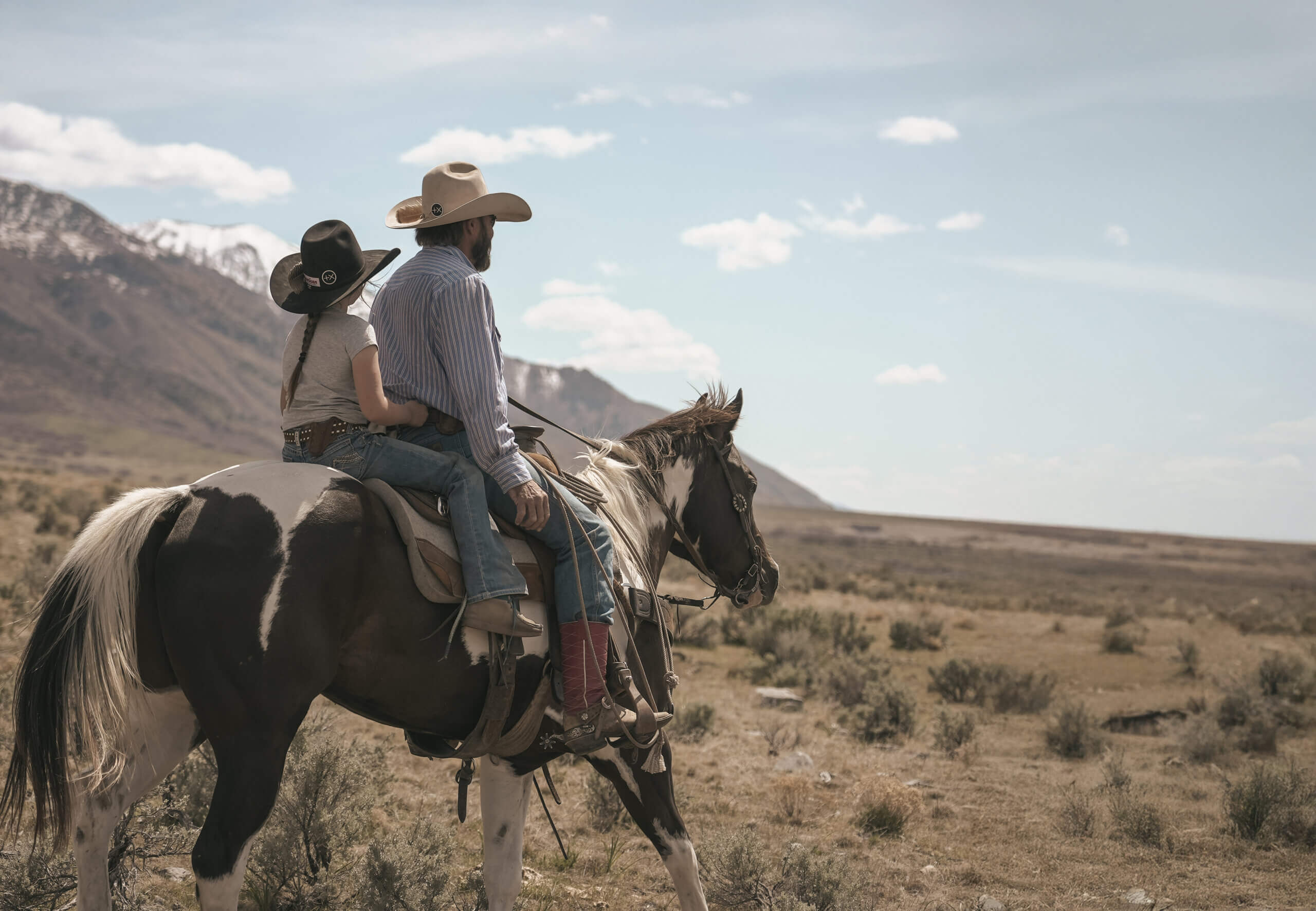
In the early 1990s, Keith and Susan Maddox, both deeply rooted in the Western way of life, were living out the values they cherished most. Keith grew up on his family’s ranch and spent decades in the rodeo industry representing well-known brands, while Susan also came from a ranching background and shared his love for the cowboy lifestyle. The Maddoxes believed a cowboy’s hat wasn’t just attire. A hat represented an identity, pride and protection from a hard day’s work.
Their shared vision to preserve that symbol of authenticity sparked their interest in buying American Hat Company from the Georges. When the sale fell through, they forged their own path.
“They found this little feed store on 28th and Main in Fort Worth,” says Keith Mundee, current president of American Hat Company. “They didn’t buy it, but leased it with an option to buy, and that became The Best Hat Store. That’s where Susan still operates today.”
Years later, in 2003, the Maddoxes purchased American Hat Company outright. What they inherited was a struggling business known more for inexpensive, colorful felt hats than the kind of quality headwear Keith believed a cowboy deserved.
“Keith always said a cowboy needs a great pair of boots and a great hat, and he couldn’t find a great hat anywhere,” Mundee says. “So, he set out to make one.”

Trials and Tenacity
As might be expected, the road to reestablishing American Hat Company wasn’t smooth for the Maddoxes. When they purchased the company, the production facility was located in Conroe. They realized the area’s high humidity was not ideal, so they began to look northward for a new home. They found it in a vacant Hagar Slacks factory in Bowie.
James K. “Rooter” Brite Jr., a Texas & Southwestern Cattle Raisers Association director who runs JA Ranch near Bowie, recalls the transition.
“That old Hagar Slacks plant was sitting empty, and it had been a real loss for our town,” says Brite, who also chairs Bowie’s economic development board. “When American Hat came in, it was like breathing life back into this place. You could feel the optimism again.”
A few years later, tragedy struck. A devastating fire in 2005 destroyed $13.5 million in raw materials and inventory. However, rather than cutting their losses, Keith decided to fully invest in the future.
“He bet it all on American Hat,” Mundee recounts. “He took money from his 401(k), remortgaged his house and shoved all his chips to the middle of the table. That was Keith. He believed in this company, and he believed in his people.”
Brite echoes that the entire community was impressed by the level of grit required to keep American Hat Company afloat following the incredible set-back.
“Most folks would’ve folded,” Brite says. “Not Keith. He had a vision, and he refused to let it die. That’s the kind of spirit small towns like ours are built on.”
In the decades since, the company has expanded the original building three times, totaling 48,000 square feet. Its presence also extends beyond the factory. American Hat Company supports the community through rodeos, the high school booster club, and purchasing vehicles and advertising locally.
“They don’t just talk about supporting local — they live it,” Brite says. “They are feeding our economy in every sense of the word.”
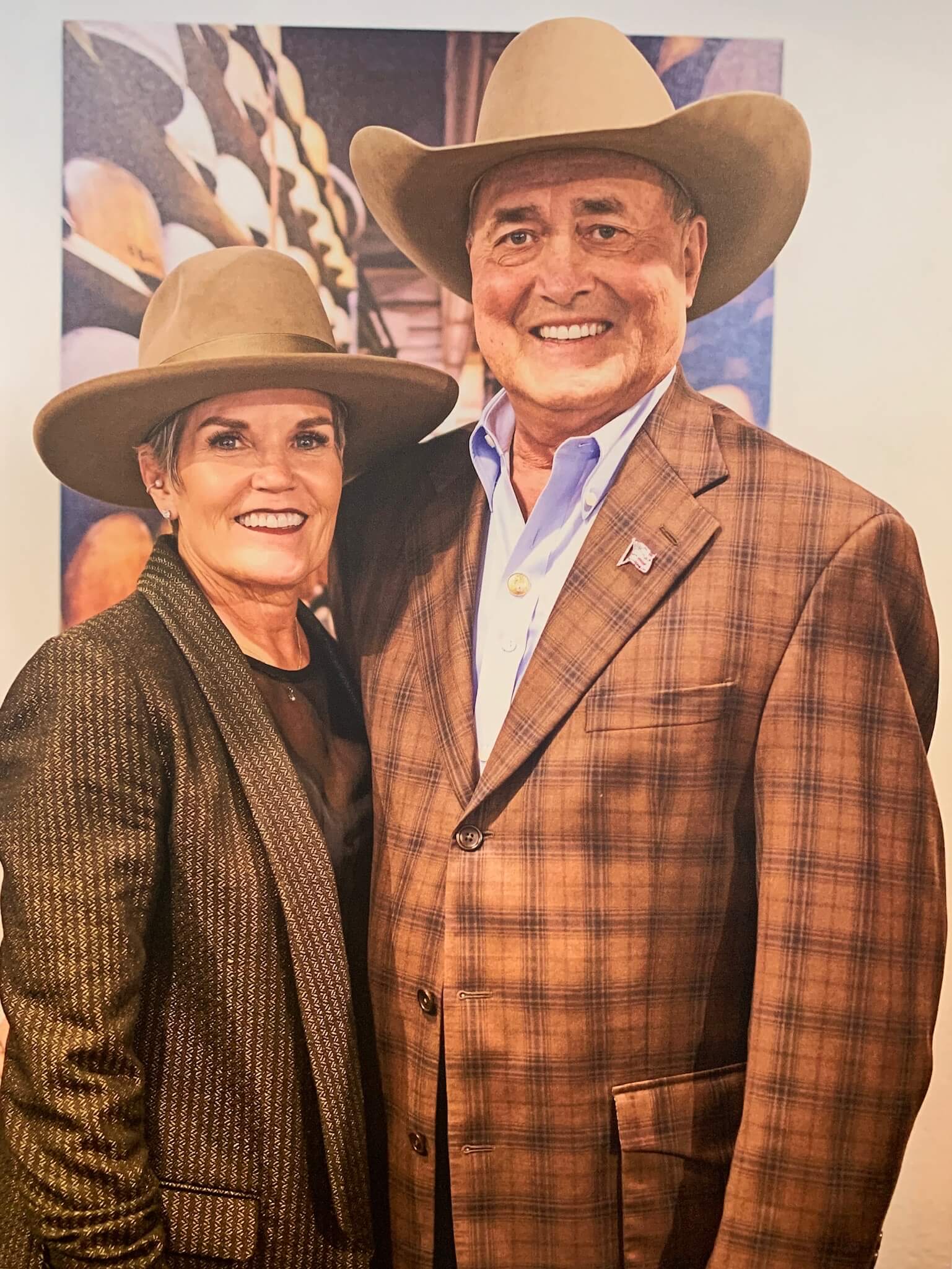
Susan and Keith Maddox, pictured left, purchased American Hat Company in 2003 and moved the production facility to Bowie. Today, the company has nearly 150 employees. Top right photo by Shelby Kirton.
Leadership and Legacy
While faced with rebuilding the company, Keith confronted a personal struggle of his own. He had been diagnosed with cancer, yet his determination to lead and build never faltered. Always one to look to the future, he reached out to Mundee, who had an established career developing brands like Cinch at Miller International.
“When Keith called me, he said, ‘I’ve got cancer, and I need someone who can take over if something happens to me,’” Mundee recalls. “I tried to think of someone to recommend, and finally I realized — I want to do it.”
The two struck a deal written on a napkin, and Mundee joined American Hat Company in 2010. When Keith died in 2019, Susan and the team carried on his mission.
“Our goal is to continue the legacy Keith and Susan built together,” Mundee says. “She’s unbelievably generous and strong. Everything we do still carries their fingerprints.”
Brite sees that continuity clearly. “You can tell they’re still driven by the same heart,” he says. “Keith Maddox may be gone, but his spirit is alive, and his wife, Susan, and Keith Mundee have kept that fire burning.”
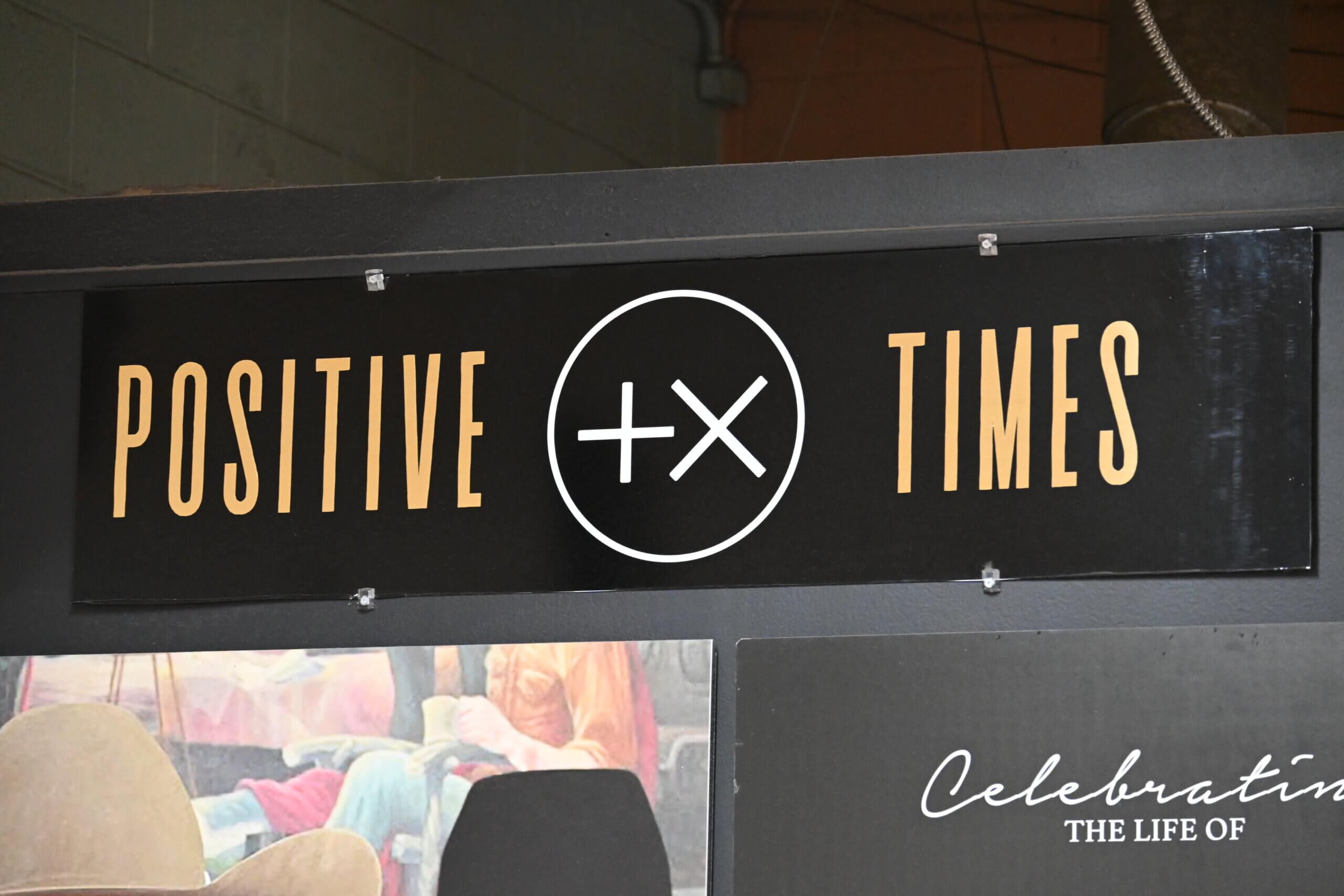
If the building represents the company’s body, Positive Times, the symbol “+ X,” is its beating heart. Originally the Maddoxes’ cattle brand, the emblem and phrase became a guiding philosophy after Keith’s passing.
“I asked Susan if we could use it as a tribute,” Mundee says. “I thought it might last a few months, like when a football team wears a patch after losing a player. But it took off.”
From that moment forward, Positive Times became central to American Hat Company, representing Keith’s ability to find joy no matter the hardship.
“He used to say, ‘I had a bad 15 minutes one time. I’ll never do that again,’” Mundee says with a laugh. “He found the positive in everything.”
The company continues to inspire, not only through the brands on its hats, but also through actions. During the COVID-19 pandemic, American Hat Company began posting daily positive thoughts on social media.
“[It’s] a little encouragement each morning, something to start your day right,” Mundee says. “That’s what Positive Times means — it’s about renewing your mind every day.”
Brite notes the effect extends beyond the factory. It has expanded throughout the entire community.
“Their motto fits our whole town,” he says. “It’s an attitude that’s changed the way folks around here look at challenges. It’s contagious in the best way.”
Honoring the Spirit
Even during his final days, Keith’s focus was on the company’s progress, not his prognosis.
“He told me, ‘I’m not afraid to die. There are worse things than dying. I’ve had a great run,’” Mundee recalls. “That’s Keith — grateful to the end.”
Susan continues to guide the company with that same optimism, investing in children’s charities and keeping Positive Times alive. Among other donations and support, American Hat Company sponsors the Texas Rattlers PBR team, youth rodeo associations, and the National Anthem and opening prayer at 100 rodeos in 100 days through The Cowboy Channel.
“We’re not really selling hats,” Mundee says. “We’re selling patriotism, respect for the flag, military, first responders and youth. That’s what this hat stands for.”
Throughout generations, the cowboy hat has symbolized honesty, grit and quiet dignity. Brite says it is refreshing to see a heightened commitment to those values and this lifestyle.
“In a world that feels like it’s changing too fast,” Brite adds, “they’re keeping the cowboy values alive. They remind folks that hard work, faith and a handshake still mean something.”
Those principles don’t just guide the people behind the brand, but shape the product itself. Keith’s legacy is stitched in every hat that leaves Bowie — a symbol not just of craftsmanship, but of character.
“Keith always said, ‘Do the right thing. When you’re done with that, do the next right thing,’” Mundee says. “If we can do that every day, then we’re right where we’re supposed to be.”
—-
###