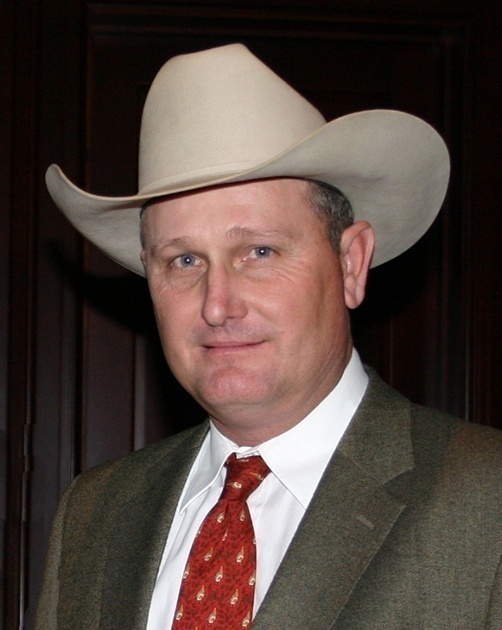
By: Jerry Bob Daniel, Texas and Southwestern Cattle Raisers Association
With negotiations on the 2018 Farm Bill expected to heat up this week, agricultural producers across Texas and are anxiously watching for signs of progress. The Farm Bill authorizes many programs designed to support farmers and ranchers, but one new provision deserves special attention from lawmakers: the creation of a foot-and-mouth disease (FMD) vaccine bank.
Cattle producers are all too familiar with the potential consequences of a disease outbreak. Back in 2001, producers in the United Kingdom suffered severe financial losses after FMD spread rapidly in cattle, sheep and pigs. The disease does not impact human safety or the safety of our food supply, but the consequences are severe for animal agriculture and producers. By the time the English FMD outbreak was over, 6 million animals were dead, and the United Kingdom suffered economic losses of more than $16 billion.
I have a particular interest in protecting against such an outbreak, not only as a producer but also as the Chairman of the Cattle Health and Well-Being Committee at the Texas and Southwestern Cattle Raisers Association. On my ranch keeping cattle healthy is a top priority. I work closely with my veterinarians and others on my team to provide the best possible care for my cattle each and every day. Still, the efforts of dedicated individuals may not be enough in the case of a national outbreak like the one seen in the United Kingdom.
To adequately prepare for such a scenario, producers and veterinarians agree that the U.S. must improve its ability to rapidly respond to animal diseases. The FMD Vaccine Bank would be a step in the right direction.
Under the status quo, the current vaccine bank is shared with Mexico and Canada. The amount of vaccine would not be enough to cover the needs of cattle in Texas, let alone three countries who share borders. If an FMD outbreak were to occur, the U.S. would not be able to quickly acquire enough vaccine to respond effectively. Current language in the 2018 Farm Bill changes that, directing the U.S. Department of Agriculture to establish and maintain a rapidly-deployable FMD Vaccine Bank with the capacity to develop a sufficient quantity of vaccines in a timely manner.
Industry groups have requested that Congress provide $150 million annually for five years to get the foot-and-mouth disease vaccine bank up and running. It is a large sum of money, but it must be weighed against the potential consequences and economic loses of an outbreak.
A study released by Iowa State University concluded that an uncontained FMD outbreak in the United States would cost the beef and pork sectors more than $128 billion over 10 years. Corn and soybean farmers would also be impacted, losing $44 billion and $25 billion, respectively. Overall employment would fall by about 1.5 million jobs.
Beyond the FMD Vaccine Bank, other programs under consideration in the Farm Bill would make important contributions to animal disease preparedness. The Animal Pest, Disease and Disaster Prevention and Response Program (APAD) and funding for the National Animal Health Laboratory Network, are both critical components of the U.S. response infrastructure as well.
Altogether, the 2018 Farm Bill can make significant improvements in animal disease preparedness. These programs are responsible investments in the future health of our agricultural economy. Federal lawmakers would be wise to support and fully fund them.
###
Texas & Southwestern Cattle Raisers Association
To Honor and Protect the Ranching Way of Life
PO BOX 101988
FORT WORTH, TX 76185
1-800-242-7820
© 2023 Texas & Southwestern Cattle Raisers Association; All Rights Reserved.