
By Jason Sawyer, Texas & Southwestern Cattle Raisers Association vice chair of natural resources and wildlife committee
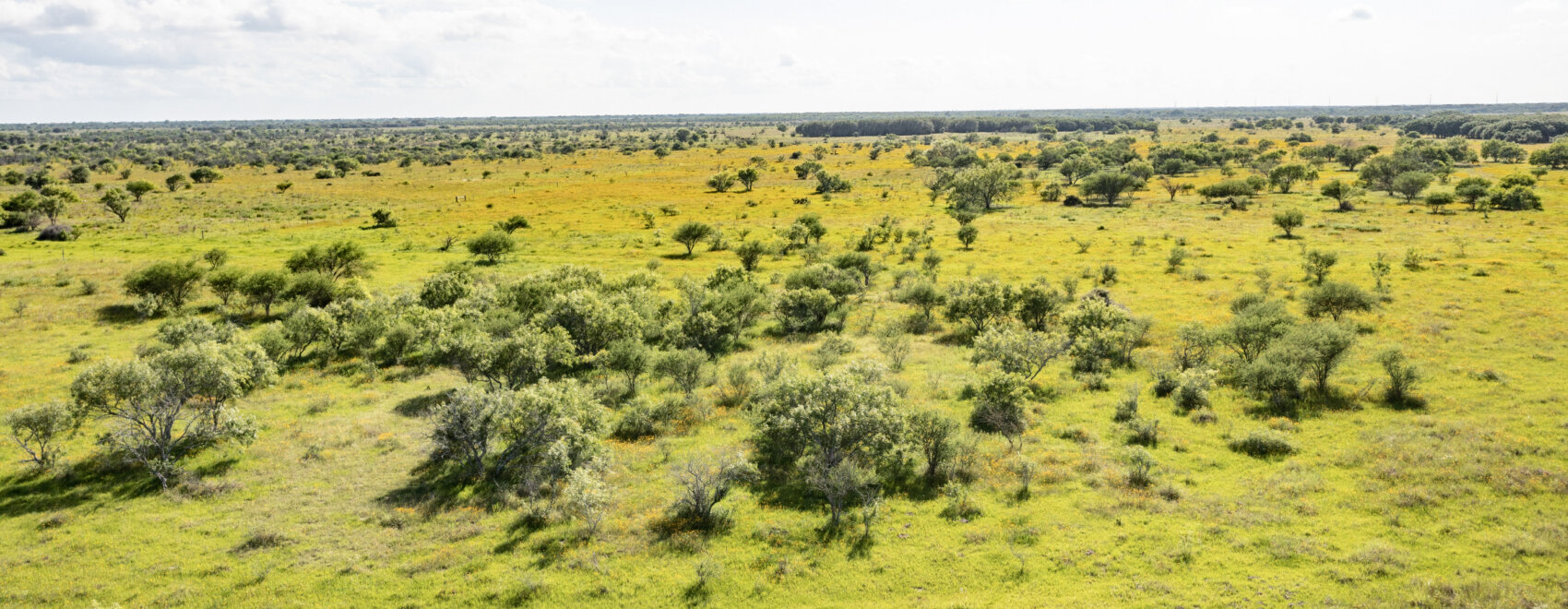
Across Texas and the Southwest, generations of land stewards have recognized the mutual benefits of sustaining healthy rangelands that support livestock production and provide wildlife habitat. Cattle raisers and private landowners live out a public trust doctrine, where native wildlife is not owned by any single landowner but conserved in trust for all citizens.
Managing for continuous improvement of their land supports healthy cattle and thriving wildlife populations. This is one example of the ecosystem services delivered by cattle raisers — where stewardship provides not only high-quality protein to sustain a growing population, but also supports wildlife and open space amenities, all of which help to sustain our rural communities and economies. None of these prosper without responsible, generational stewardship of land.
Ranching is truly a lesson in conservation — the wise use of precious resources to meet the needs of current and future generations. This is closely related to sustainability, which is the likelihood of persistence, because the wise use of land resources helps ensure we will continue meeting these needs in the future. Ranchers have spent decades improving grazing practices, protecting and enhancing water resources, managing and sculpting brush, preventing erosion and preserving open spaces benefitting both livestock and wildlife.
For those who make their living with the land, sustainable operations are those that can be passed on to the next generation; and conservation and stewardship are not slogans or buzzwords, they are responsibilities. Long before environmental policies became federal mandates, cattle raisers were already practicing conservation because their livelihoods — and their ability to pass it on — depended on it.
Because of the responsibility to future generations, private landowners are often the best stewards of land and natural resources. We take pride in seeing the fruits of our efforts in a healthy calf crop, and in the diversity and abundance of wildlife. In many cases, even rare species thrive on private ranches, because successful ranches are more likely to stay intact. The open spaces maintained by cattle producers are among the last strongholds for many of these species, because of ranching and not in spite of it.
That is why so many ranchers are concerned about the approaches and implementation of federal action under the Endangered Species Act of 1973. While the intent of protecting threatened species is understandable and important, the implementation of the act often exceeds the expressed original intent of Congress and creates substantial risk and unnecessary burdens on the very people already caring for the land. This can result in disincentives for private landowners — in the opposite direction of the act’s goals.
The Endangered Species Act of 1973, as it has been interpreted and implemented in many cases, has had far-reaching implications for agricultural operators and private property rights in areas where endangered or threatened species exist. Regulations and decisions may be created with limited information or sound science, and without practical input from landowners, because the act does not overtly require consideration or adequate economic impact studies.
Even when direct action isn’t immediately taken, ranchers are threatened by the uncertainty of how a future mandate could impact their operations, families and communities. This uncertainty isn’t just because of the whim of an agency — the act allows private individuals and organizations to file lawsuits with the government to enforce certain actions. These can trigger listings or restrictions that negatively affect landowners, even limiting their right to pursue normal operations or otherwise legal activities.
When regulations have the potential to inadvertently punish good stewardship or create fear that the discovery of a species on private land will lead to government restrictions, the system discourages cooperation instead of encouraging it.
Texas & Southwestern Cattle Raisers Association has long maintained that before any new regulations or restrictions are implemented, they should have a firm foundation in reliable science and realistic economic analysis. Ranchers who know their land best should be part of developing innovative and functional response plans. Conservation efforts work best when they are collaborative, voluntary and rooted in local knowledge.
Texas & Southwestern Cattle Raisers Association supports voluntary, incentive-based programs that encourage private landowners to participate in conservation efforts while remaining eligible to participate in other projects, programs and, especially, sustain their operations. These types of partnerships recognize an important truth: Lasting conservation cannot happen without the cooperation of private landowners.
At the same time, stronger legal protections for landowners are necessary. Incentive programs should provide regulatory assurances for landowners, and if their freedom to operate — and thus the value of their land — is impaired by a required action taken under the Endangered Species Act of 1973, fair compensation should be provided. Information shared by landowners regarding species presence, participation in voluntary conservation programs or any data collected on private land should remain confidential and protected from misuse. Stronger standards of evidence should be required before species are listed as threatened or endangered; and where insufficient information exists, it should be developed before decisions are made.
Ranchers and landowners are not obstacles to conservation, they are essential for conservation to succeed. The relationship between land stewardship, cattle and wildlife demonstrates that agriculture and wildlife conservation work well together when balance and common sense prevail.
###