
Doing more with less. It’s the mantra for many successful businesses spanning various industries. But did you know cattle already have this concept mastered?
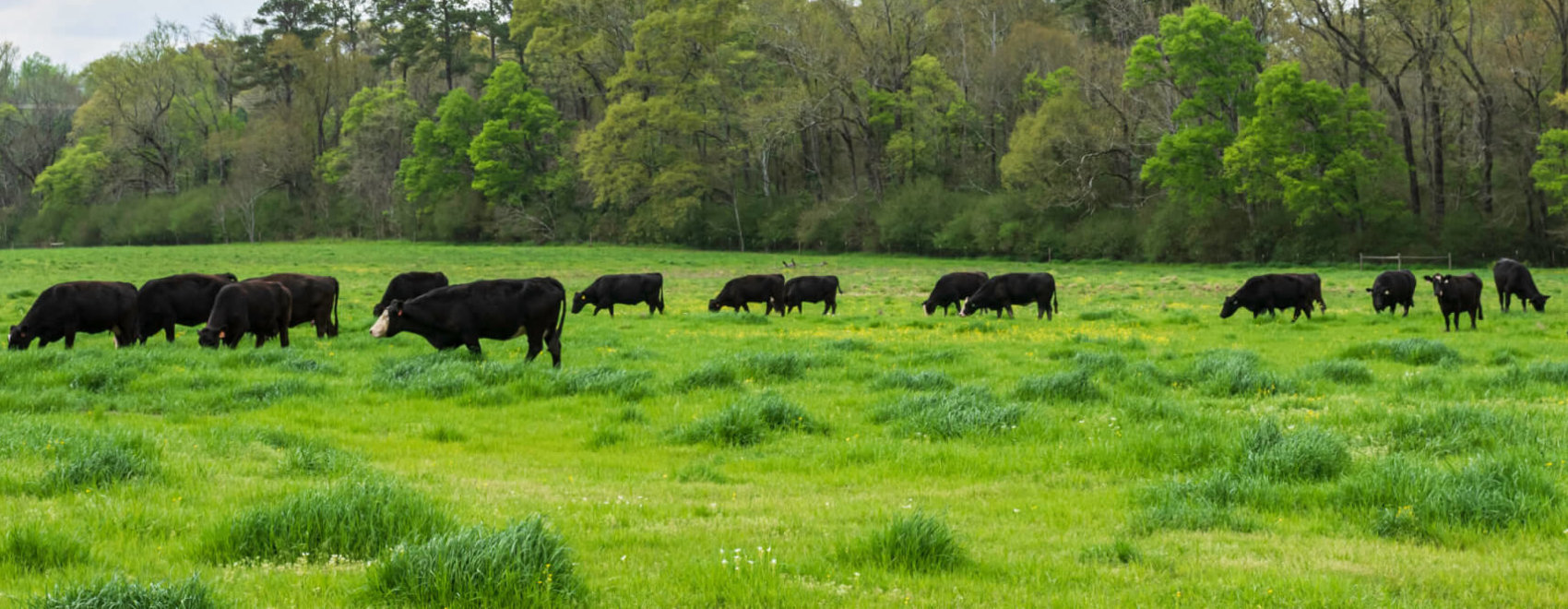
Traveling through rural areas across the country, it’s common to see green pastures dotted with ruminant animals grazing. This familiar scene seems simple, but it isn’t so simple at all.
By grazing, cattle are expanding the land available for food production by consuming forages on non-arable lands that are unsuitable for agriculture. It is in their very nature to do more with less.
How? You may ask.
Approximately 29% of the land in the U.S. is too wet, rocky, steep or arid to support cultivated agriculture. Fortunately, this land can support cattle. Their unique, four-compartment stomach and digestive system is home to trillions of microbes. These microbes allow cattle to benefit and gain nutritional value from sources other animals can’t digest and transform them into a high-quality protein — upcycling.
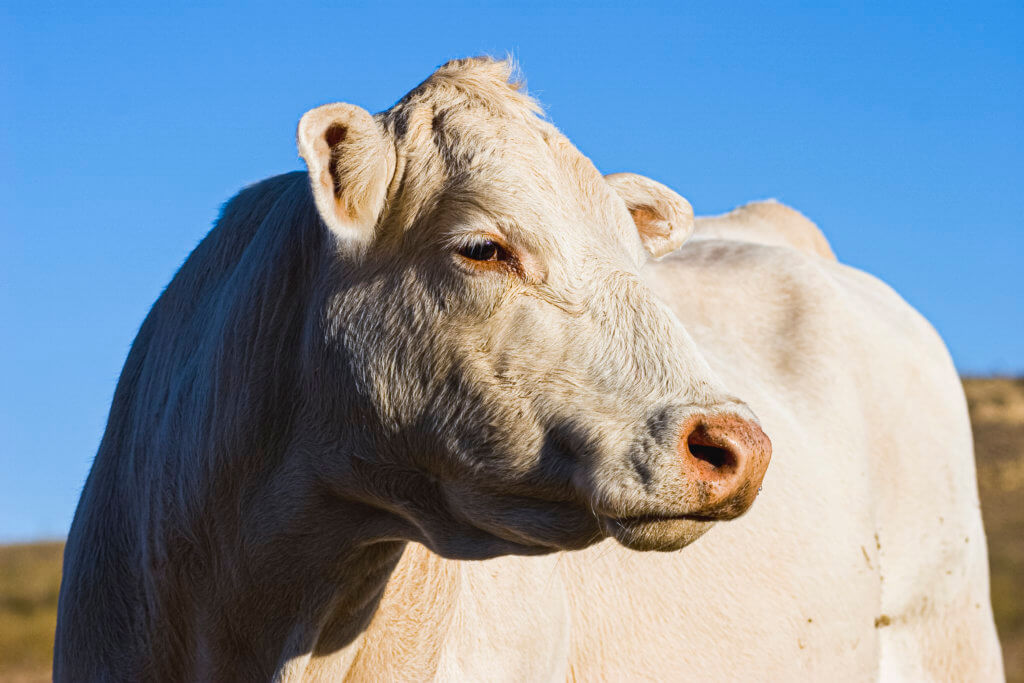
In fact, about 90% of what cattle eat can’t be digested by humans, making them invaluable to a sustainable food system. In addition to the grasses they graze on for most of their lives, cattle can eat numerous other food byproducts. They can take items like brewers’ grains, pea pulp, beet tops and potato peelings and turn those products into beef. Utilizing these byproducts for feed also reduces the amount of corn going into the beef cattle finishing sector to only 7% of harvested corn grain in the whole country. These two points alone work together to reduce the volume of waste going to landfills.
The transformation from unusable material to something of quality is also true for more than meat. More than 44% of a beef animal’s live weight is used to produce other goods such as leather, pharmaceuticals, cosmetics and pet food. Cattle are also a large part in the mission to improve our ecosystem. Properly managed cattle grazing can improve rangeland and wildlife habitats.
Bottom line: As the global population continues to grow, ruminant animals like beef cattle play a huge role in making more protein with less.
-Kayla
Kayla Jennings is the proofreader for and a regular contributor to The Cattleman magazine.