
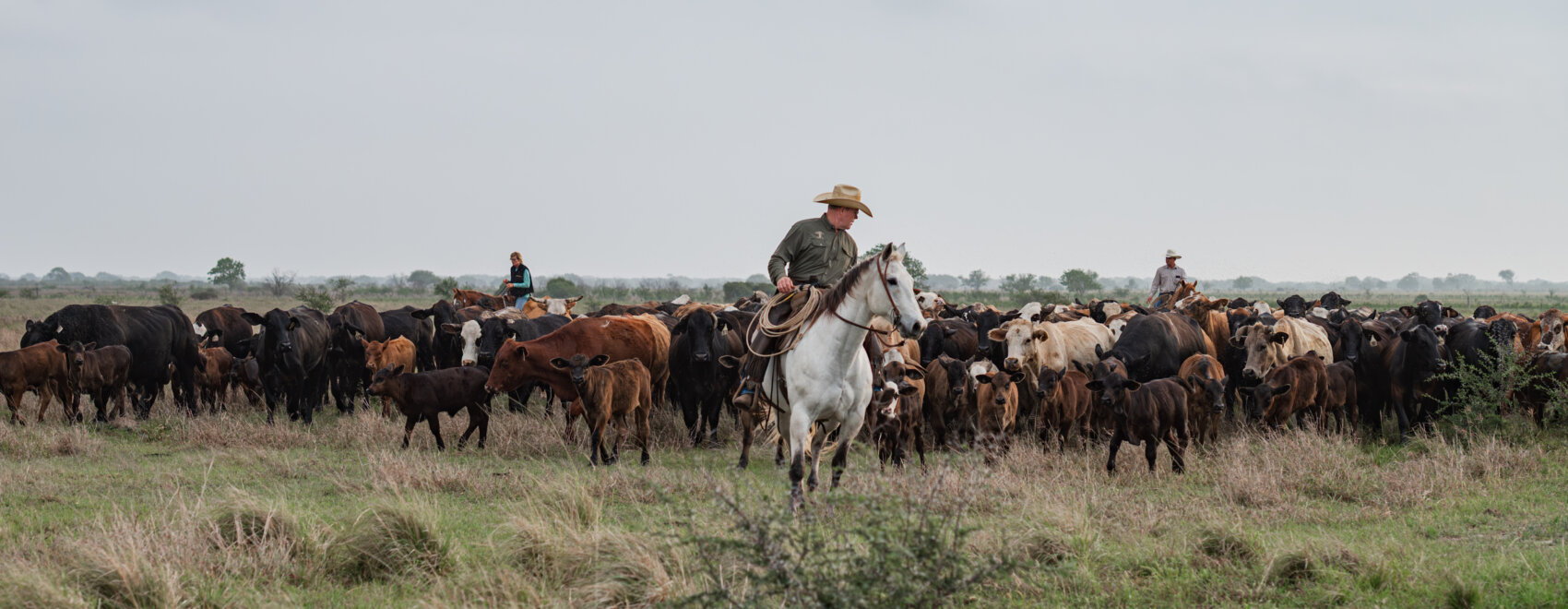
From the coastal prairie, TSCRA President Stephen Diebel’s perspective is built on grass, cattle and time.
Story by Jena McRell
Photos by Emily Stribling
Seated in a worn leather saddle, Stephen Diebel watches morning light spread across a wide horizon of waving grass. A gentle breeze moves through the pasture as he rides land his family has worked for more than 130 years.
Before long, the quiet will be interrupted by the rush of an airplane taking flight from the nearby Victoria airport — a familiar sound and unmistakable reminder of how the state is changing.
“Ranching is our livelihood and the main crux of what we do,” Stephen says. “For those who do it like us, every day, we share the same love for the land.”
That conviction now guides the fifth-generation rancher as he begins his two-year term as Texas & Southwestern Cattle Raisers Association president. He takes the helm during a pivotal time for ranchers and landowners across the Southwest, who are facing threats including New World screwworm, urban sprawl and heightened competition for land and water resources.
“It is all about relationships,” Stephen says. “You put together the best group of team members you can and let them do their jobs.”
Neighboring rancher Bob McCan, a Texas & Southwestern Cattle Raisers Association past president, says he has always believed in Stephen’s natural instincts, deep knowledge of the beef industry and willingness to do the work.
“We have a shared understanding of the importance of keeping family ranches together and also being functional working operations,” McCan says. “Stephen gets that. He lives it every day.”
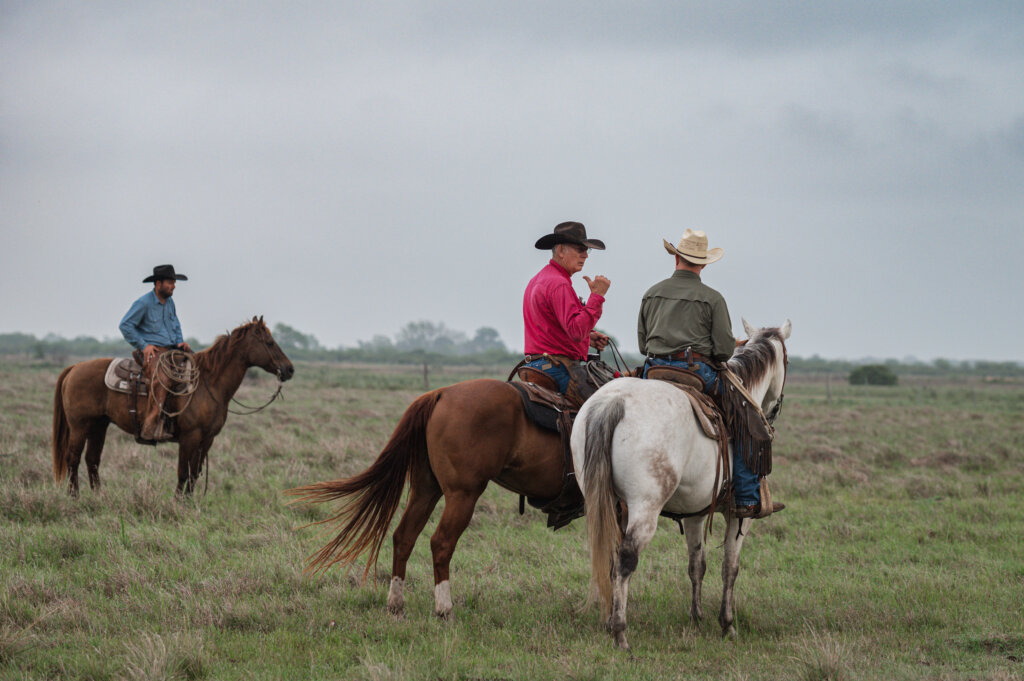
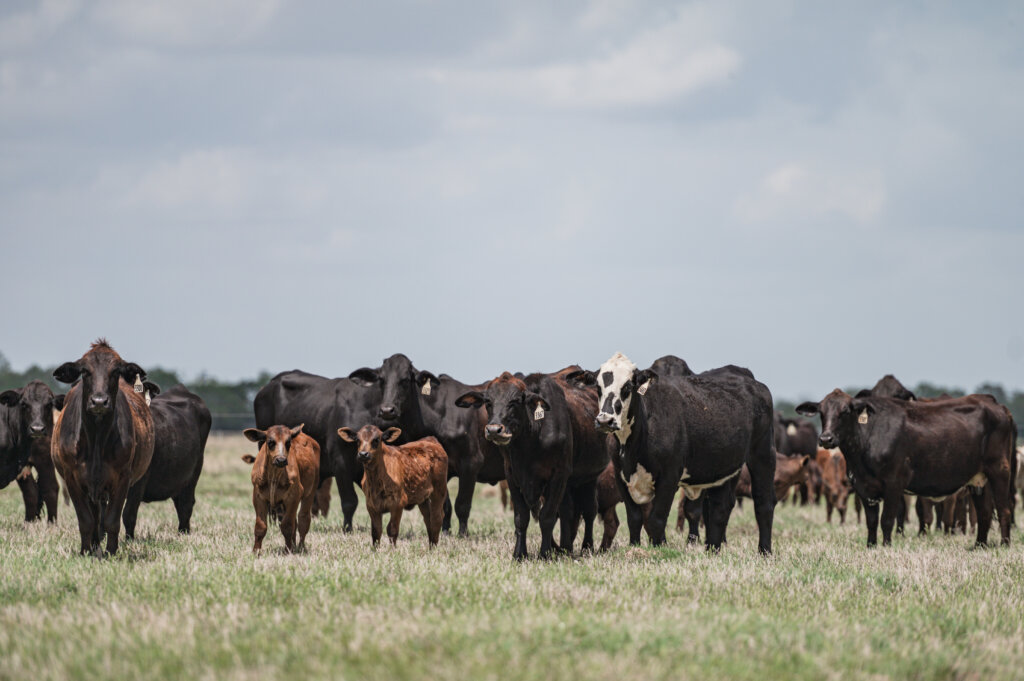
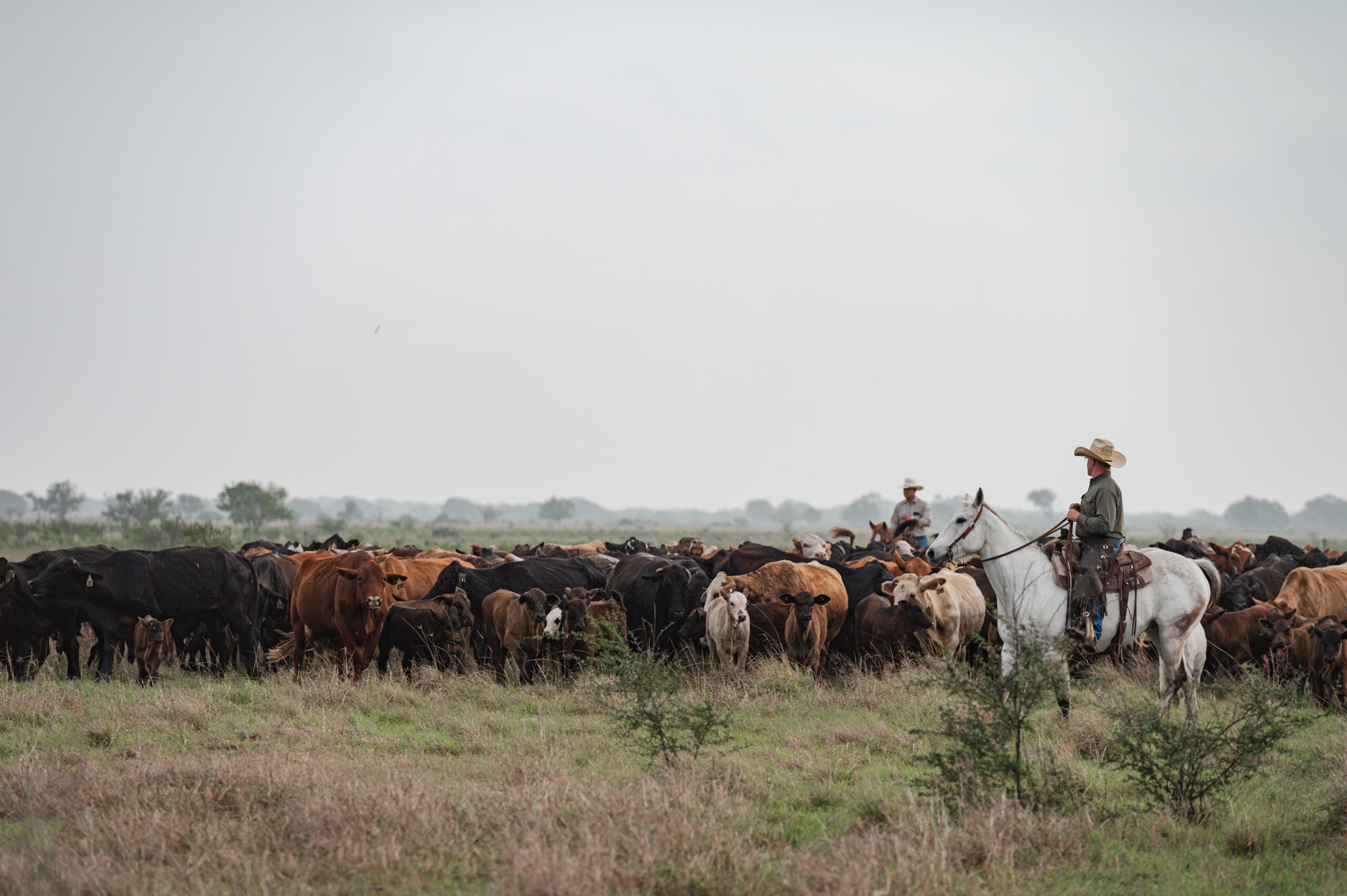
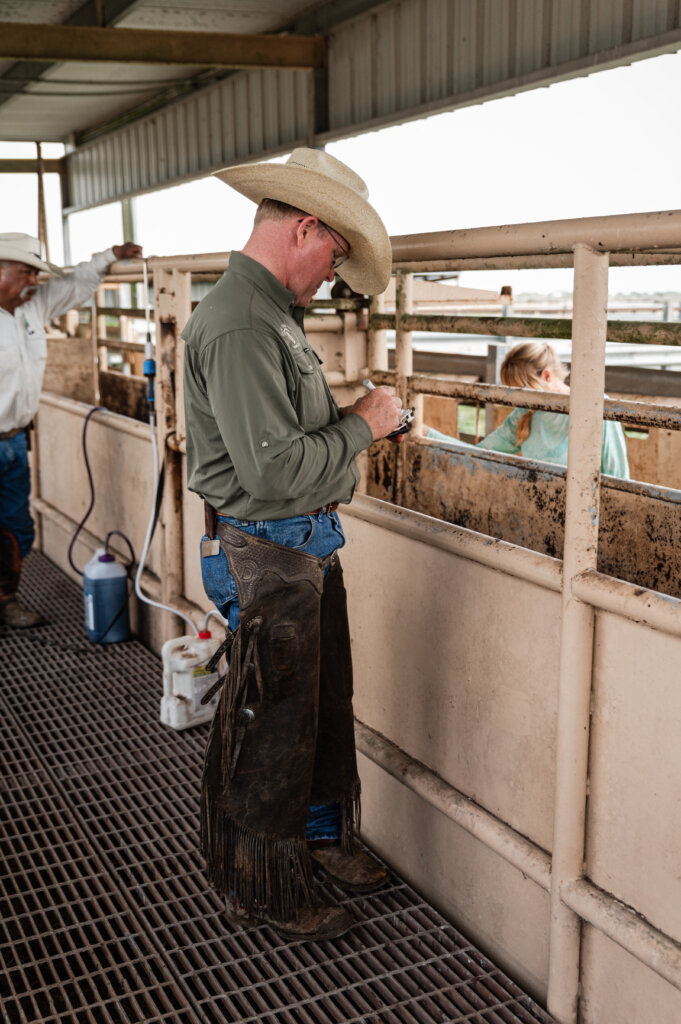
A spring cattle working at Diebel Cattle Company near Victoria. Stephen Diebel’s family immigrated from Germany to South Texas in the 1890s. They’ve been ranching and stewarding the land ever since.
Early years
As a child, Stephen had a clear picture of what his future would hold. Even if it required long days moving cattle, clearing brush or patiently waiting for rain, he knew his place was on the ranch.
“I just always had a big love for it and knew I was going to come back one day,” Stephen says. “It’s home.”
His family immigrated to South Texas from Germany in the 1890s, settling at the location that still serves as the ranch headquarters today. The founding generation included C.T. Beck, who is known as one of Victoria’s pioneer cattlemen. Throughout history and much adversity, the operation has continued to grow and thrive.
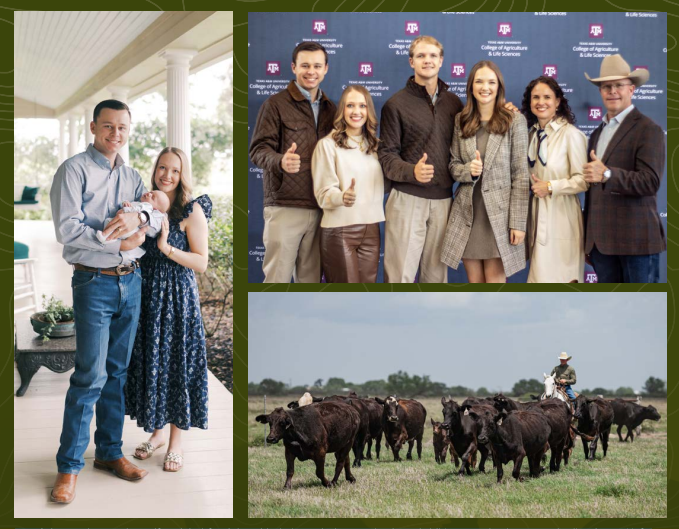
Following in this legacy, Stephen inherited a deep love and appreciation for the land from his parents, Ronnie and Babs, that he also shares with his sister, Jennifer McKenzie. Stephen showed cattle and participated in 4-H growing up, as his own children would go on to do.
After graduating from Victoria High School, he attended Texas A&M University to study animal science. The move to College Station marked an exciting new chapter, Stephen says, and one that would connect him with lifelong friends and colleagues. Among them was Jennifer Oppermann, who would become his future bride. The two met through mutual friends and enjoyed attending football games, social events and other Aggie traditions.
Even 150 miles from the ranch, Stephen remained connected and interested in the day-to-day operations. He was learning all he could in the classroom, from his peers and through college experiences, because he knew the future of the family ranch depended on it.
McCan says he recognized that spark in him early on. “Stephen was always very progressive in using the best and the newest technologies,” he says. “He utilized his education as well as anybody I’ve seen.”
After earning his bachelor’s degree from Texas A&M University in December 1995, Stephen joined his parents full-time at the ranch, full of energy and anticipation for the years ahead. Together, they were united in their mission to preserve the family heritage, while adapting to modern-day management practices.
Then the future he had imagined abruptly changed.
Stephen’s father, Ronnie, was diagnosed with amyotrophic lateral sclerosis, or ALS, a progressive disease that slowly robs the body of movement. In the spring of 2000, he passed away at 60 years old — and left behind a family, ranch and reputation for caring the land, raising quality cattle and advocating for the beef industry.
For Stephen, still in his mid-20s, the loss meant mourning his father while also stepping into new responsibilities. The lessons Ronnie taught him would now have to carry him forward.
“I am very thankful and appreciative for all the things he taught me,” Stephen says, “All the leadership skills, and about the ranch and family.”
Stepping up
In the difficult years that followed, Stephen says many mentors, neighbors and friends stepped in to help him find his footing.

Among them was McCan, who encouraged Stephen to join the Victoria Soil and Water Conservation District board. In those meetings, Stephen had a seat at the table with fellow Gulf Coast ranchers and landowners to discuss challenges and plans for the region’s changing demographics.
“That was a great time to meet so many producers who I still interact with on a daily basis,” Stephen says. “Having those mentors there was everything to me during those pretty tough years.”
He credits those years on the board for the best education he received on natural resources, rotational grazing and land management. Those overarching principles have become the backbone of the family operation today.
“The center of our productivity is managing our grazing lands,” Stephen says. “Our goal here is to be as efficient as we can with our forage production. Every day, we’re managing for grass.”
Diebel Cattle Company is located on some of the last truly large coastal prairie expanses in the U.S. Wide-open spaces are covered by a mix of native and introduced grasses, which support the cow-calf herd and thriving wildlife populations. They employ an extensive rotational grazing system, moving cattle through eight to 10 pastures that are carefully rested and rotated. Stephen says it is equally important to monitor what is grazed and what is not.
“We really pay a lot of attention to what we’re not grazing,” he says. “We stockpile those forage reserves for other times of the year, and those stockpiled grasses are also an opportunity to capture carbon, filter water and do all the things that are good for healthy soils.”
Primarily a commercial cow-calf operation, Diebel Cattle Company calves in the fall and the spring, then backgrounds cattle at the ranch headquarters. Ultimately, they aim to market a 750- to 800-pound feeder destined for the feedyard or back into the replacement market. They incorporate value-added programs to bring greater returns and retain ownership through the feedyard to gain insightful carcass data. When the timing is right, Stephen says they will feed some cattle, too.
The ranch has also been an early adopter of electronic ID technology. Calves are tagged at birth and evaluated throughout their lives to determine growth performance and profitability. This holistic view provides insightful perspective into the journey from pasture to plate.
“We understand the whole supply chain, how to create value and the importance of all the components of our industry,” he says. “The decisions that we make directly impact our bottom line.”
Leadership in action
Not long after McCan finished his term as Texas & Southwestern Cattle Raisers Association president, he nominated Stephen to join the organization’s board of directors. McCan knew the up-and-coming leader — who had been central to McCan’s efforts in the Victoria Soil and Water Conservation District and on the Grazing Lands Coalition, both of which Stephen went on to chair — would make an impact on the membership of cattle raisers and landowners across the Southwest.
“He was always behind the scenes, never making a big splash, but he was consistently there to help out,” McCan says. “He’s always been a person who could take control of his destiny, do a good job and give 100% whatever he does.”
While Diebel Cattle Company has been a member of Texas & Southwestern Cattle Raisers Association since the 1960s, it wasn’t until Stephen was introduced to fellow ranchers like McCan and David Crow, a director from Corpus Christi, that he became more involved in the association. He says he started to see the value of advocating for policy in Austin and Washington, D.C., and the vital role the association plays in both.
“That’s one of the significant pieces of the value we create for membership,” Stephen says. “We’re that advocacy arm and voice. It is rewarding to know that you’re there advocating on behalf of the rancher and landowner — trying to make that better each day.”
He was elected to the Texas & Southwestern Cattle Raisers Association board of directors in 2011. Since that time, he has served on many policy and program committees, volunteering countless hours on behalf of association members. In 2022, he was named second vice president and secretary/treasurer.
This past March, during the association’s annual membership meeting held during Cattle Raisers Convention & Expo in Fort Worth, Stephen took the stage as president of the nearly 150-year-old organization.
“It’s truly a humbling experience. You never see yourself in a situation that creates so many opportunities,” he says. “The leaders we work with, they’re the brightest and best in the industry, and I am so proud to work with them.”
Because he sees it firsthand, Stephen stresses the urgency of addressing threats to ranching and private property ownership. Today’s decisions will impact what the state looks like in the next 25 to 50 years, he says.
“Water is one of the big ones,” Stephen says. “There are legislative priorities that we’ve already begun to discuss to help safeguard these resources for future generations.”
Texas & Southwestern Cattle Raisers Association’s nearly 28,000 members across the Southwest include a wide array of viewpoints, operations, struggles and goals. Stephen says the membership organization is here to represent them all.
“With our demographics changing on a daily basis, it is challenging for sure,” he says. “But thinking outside the box and really understanding how we can create value for our members is the key.”
McCan, who understands the responsibilities and pressures of serving in association leadership, says Stephen’s ability to prioritize and focus on what matters most will be a tremendous asset.
“Because of his history and experiences with his own operation, Stephen understands how to prioritize policy issues, what’s important and what to pay attention to,” McCan says. “He has a really good head on his shoulders about those types of things — and what is best for other people and the industry will come first.”
Carrying it forward
With more than 1,000 new residents moving to Texas each day — and valuable acres of working land lost at a similar rate — the industry must be proactive and come together toward the common goal of preserving ranching and agriculture for the next generation.
“Once that land use has changed, it can never go back,” Stephen says. “That is something you have to keep in the back of your mind.”
Protecting this future, he says, relies on communicating to the public the value of working lands in providing clean air, clean water and healthy soils, while also contributing to the most abundant, safe and convenient protein source in the world — beef.
“He sees the big picture and has a very good understanding of the industry, from cow-calf all the way through retail beef production,” McCan says. “I have no doubt in my mind, he’s the man we need at the time we’re in right now.”
As Stephen reflects on how far the family ranch has come over the course of his lifetime — and the generations before — he says the common theme is leaving things better than you found them. That’s how he intends to lead Texas & Southwestern Cattle Raisers Association, too.
“We really focus on our membership by creating new opportunities, educational experiences and helping craft sustainability within the association,” he says. “And helping ourselves to understand how we can better represent all those who love the land.”
—-
###