
By Jay Evans, Texas & Southwestern Cattle Raisers Association honorary director
Water may be the most important issue facing Texas throughout the next decade and beyond. As our state continues to grow, so will the demand for water — from expanding cities, new industries and water-intensive data centers. At the same time, we must ensure rural landscapes remain productive, supplying food and fiber to sustain our economy. Cities cannot prosper without healthy working lands.
Meeting this challenge will require collaboration, accurate science, common-sense planning and commitment to protecting the water resources that
Texans depend on.
Because there is no silver bullet solution, addressing the state’s water future will require several approaches: replacing and repairing aging infrastructure; improving conservation; developing brackish groundwater resources; and expanding desalination, where appropriate.
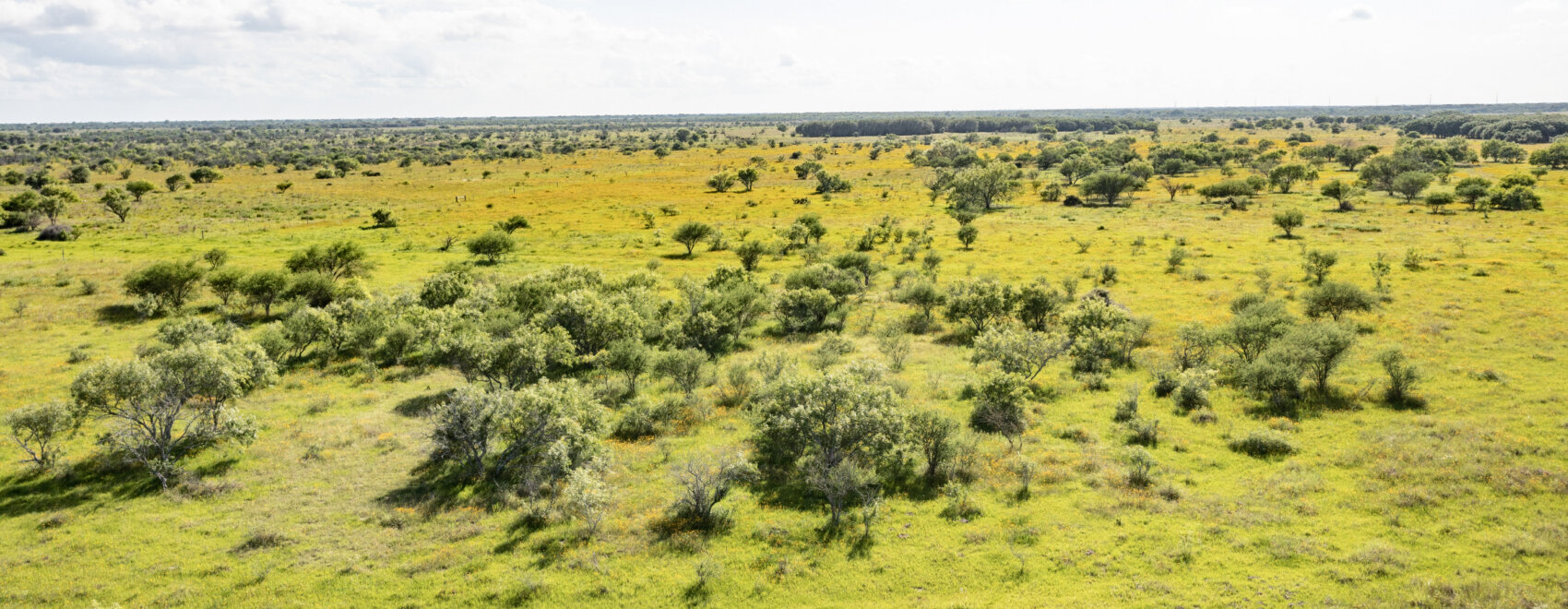
Equally important is continuing responsible land stewardship. Public and private landowners should continue to maintain and expand natural resource conservation practices as they long have. This includes managing invasive species, like mesquite and juniper, that reduce water flows and limit aquifer recharge.
Groundwater plays a central role in this discussion. A large share of the state’s water supply, especially in rural communities, comes from underground aquifers.
Texas water law is governed by the rule of capture. As laid out in the Texas Constitution, a landowner owns the water under his land unless it has been severed. Texas & Southwestern Cattle Raisers Association has long supported this fundamental private property right.
Groundwater conservation districts are the primary mechanism for regulating groundwater pumping in Texas. Typically established along political boundaries, these locally governed districts are designed to reflect the needs and priorities of the communities they serve. Local control allows decisions to be made by those elected to the groundwater district board.
As we know, groundwater does not follow county lines or district boundaries. Aquifers stretch across multiple districts and regions. To address this, the state also relies on groundwater management areas — regional planning groups that coordinate groundwater policy across shared aquifers.
Today, Texas has 16 groundwater management areas and roughly 100 groundwater districts that provide local regulation. Working through the Texas Water Development Board, groundwater management areas establish desired future conditions for aquifers. These conditions represent long-term goals that describe how groundwater levels, spring flows and water quality should look in future decades.
Cities need reliable supplies to support growth. Agriculture and ranching need water to maintain productive lands. Communities across the state rely on healthy aquifers for their long-term prosperity. This layered system helps the state balance all of these competing water demands.
Texas & Southwestern Cattle Raisers Association supports this balanced approach. Local control remains essential, but sound groundwater stewardship also requires aquifers to be managed through regional coordination. Management by aquifer should play an important role in state water planning to ensure decisions are rooted in consistent, accurate science and coordinated across regions.
As Texas continues to grow, tension between rural and urban water demands will inevitably increase. Drought can intensify these conflicts, but even after drought conditions pass, the underlying challenge remains: more people are competing for limited resources.
Protecting our water requires thoughtful planning and cooperation. If Texas gets groundwater management right through balancing growth, conservation and local stewardship, we can ensure that both our rural landscapes and cities thrive for generations to come.
###