The United States loves its hamburgers.
The perfect marriage of juicy beef and comforting carbs is a menu staple, from fast food to fine dining establishments. The iconic dish has its own day (May 28) and its own month (May). Not that anyone needs an excuse to eat one.
In fact, in 2016, ground beef made up 45 percent of total U.S. retail beef consumption.
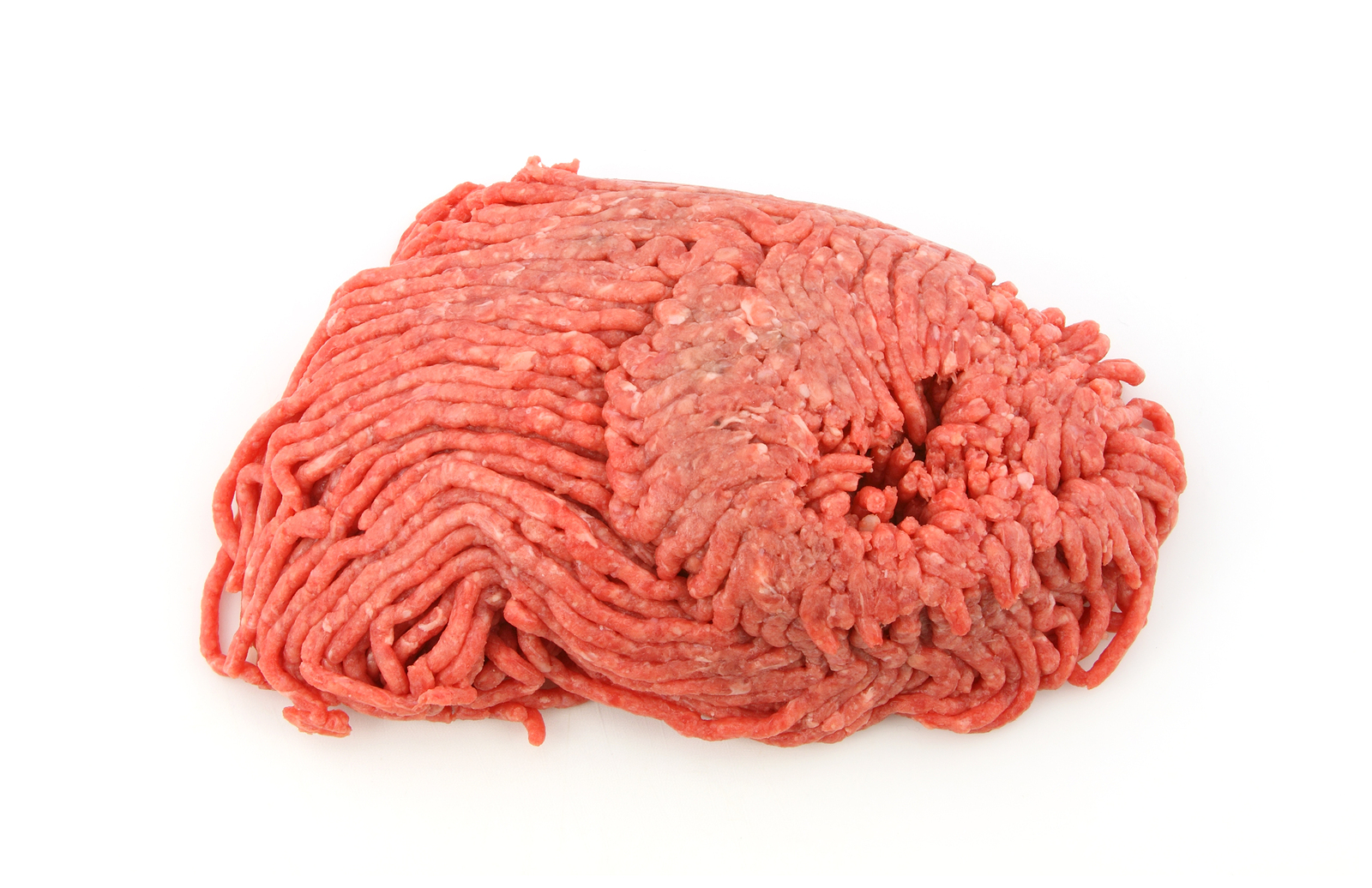
But, despite the size of the nation’s cow herd, we can’t fill the need. That’s because in this country, we focus on producing high-quality beef. As a result, the trimmings are fattier. We import lean beef trimmings — from countries that have gone through a rigorous USDA audit process and have proven their food safety systems are equivalent to ours — to blend with our trimmings to reach the perfect mix of lean and flavorful.
Specifically, a lot of the beef the United States imports is frozen 90% lean trim from Australia and New Zealand, which is blended into 80/20 grinds with our U.S. fat trim, according to Dan Halstrom, president and CEO of U.S. Meat Export Federation.
Some wonder why we don’t just dedicate more of our system to producing lower quality beef. The reason is two-fold: it’s less profitable, and importing some beef actually helps American ranchers.
That’s because trade is a two-way street, Halstrom says.
“U.S. beef thrives in international markets that abide by science-based standards and fair-trading practices,” Halstrom says. “When we demand this of our trading partners, it is important that the United States do the same. This doesn’t mean the U.S. should accept imported beef that doesn’t meet U.S. food safety standards or threatens our herd health, but restricting imports for non-science-based reasons will cost us in the long run because trading partners will retaliate. It was a very long road back from BSE, and this is no time to backpedal on science-based trade.”
Without imports, we can’t have exports. And exports add $302.93 of value per head to each harvested animal.
As you’ve probably heard if you’ve ever been in a trade talk-type session at a cattlemen’s meeting, Americans want to eat hamburgers, not hearts. But there’s a whole world out there that wants what we don’t, and in exchange, they help us get our fill of hamburgers.
Still, some see imported beef as the competition. But Halstrom counters it’s no contest.
“Given a level playing field, U.S. beef will win over consumers because of its superior quality and consistency. Because of our strong appetite for ground beef, imported product has a place in the U.S. market – especially in the fast food sector. This allows many U.S. beef cuts that once might have been headed for the grinder to be exported to markets where they are highly valued, which is a win for U.S. cattle producers.”
-Katrina
Katrina Huffstutler is the executive director of communications for Texas and Southwestern Cattle Raisers Association.

Texas & Southwestern Cattle Raisers Association
To Honor and Protect the Ranching Way of Life
PO BOX 101988
FORT WORTH, TX 76185
1-800-242-7820
© 2023 Texas & Southwestern Cattle Raisers Association; All Rights Reserved.